

Nonwoven Fabric Stretch Film Wrapping Packaging System for Coil Products – Automated Full-Roll Wrapping and Surface Protection Solution
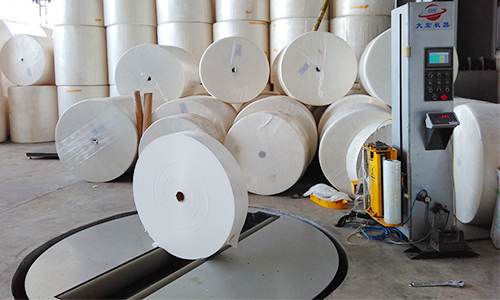
Increasing demand for cleanliness and protection in nonwoven product packaging
In the production and circulation of nonwoven fabrics, products are typically handled in roll form, requiring high standards of packaging neatness, sealing performance, and transportation protection. Loose or uneven packaging can easily cause contamination, wrinkling, or edge damage during handling, affecting product quality and delivery standards. With the growing demand for standardized packaging, nonwoven stretch film wrapping is gradually moving toward automation and standardization.
360-degree full coverage through cylindrical roll wrapping
Nonwoven stretch film packaging typically uses a cylindrical wrapping method. The turntable rotates the coil while the film carriage releases wrapping film to encircle the product. By setting wrapping turns and overlap ratios, the film evenly covers the entire surface, achieving full 360-degree coverage and improved packaging integrity.
Synchronized rotation and wrapping for stable packaging structure
During operation, the nonwoven roll is placed on the turntable. As it rotates, the film is layered evenly around the product. Tension control and synchronized movement of the film carriage ensure a stable and uniform wrapping process. After completion, some machines are equipped with automatic ejection devices, reducing manual handling and improving efficiency.
Automated control improves packaging consistency
The system typically uses a PLC control system to manage turntable speed, wrapping layers, and operating cycles. Variable frequency speed control ensures stable operation. Film tension adjustment allows adaptation to different roll specifications, ensuring tighter and more consistent packaging.
Balancing appearance protection and transportation stability
In practical applications, nonwoven stretch film wrapping forms a tight protective layer around the coil, reducing friction and contamination during transportation. The wrapped product also appears more organized, facilitating storage and logistics handling. Automation significantly reduces labor input and improves overall efficiency.
Wide application across multiple coil-based industries
This packaging method is widely used in nonwoven fabrics, curtain fabrics, textile rolls, and some rubber products. In nonwoven manufacturing, it enables standardized roll packaging; in textiles, it provides surface protection; and in other coil industries, adjustable parameters allow compatibility with different widths and sizes.
Standardized packaging upgrade for nonwoven enterprises
A nonwoven manufacturing company previously relied on manual wrapping, which resulted in inconsistent tightness and unstable efficiency. After adopting automatic stretch film wrapping equipment, the wrapping process became uniform and tightly controlled. Packaging quality improved significantly, and downstream production efficiency was enhanced.
products
-
Pallet Stretch Wrapping Machine
view more -
Top Press Pallet Stretch Wrapping Machine
view more -
Luggage Wrapping Machine for Airports
view more -
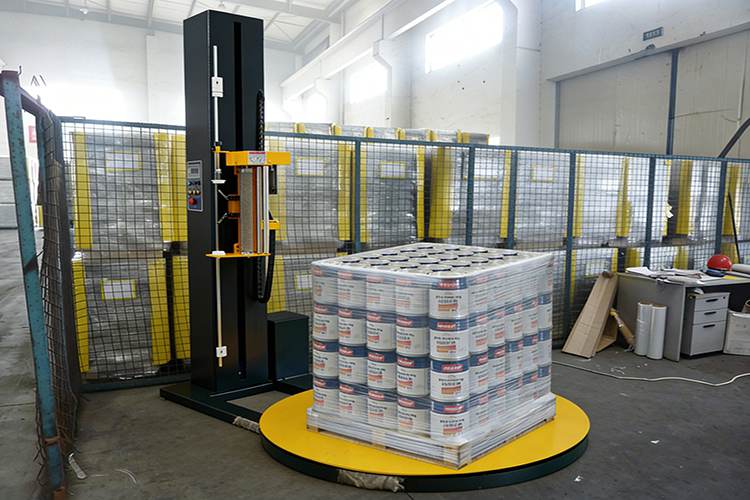
Pallet Stretch Wrapping Machine for Canned Goods
view more -
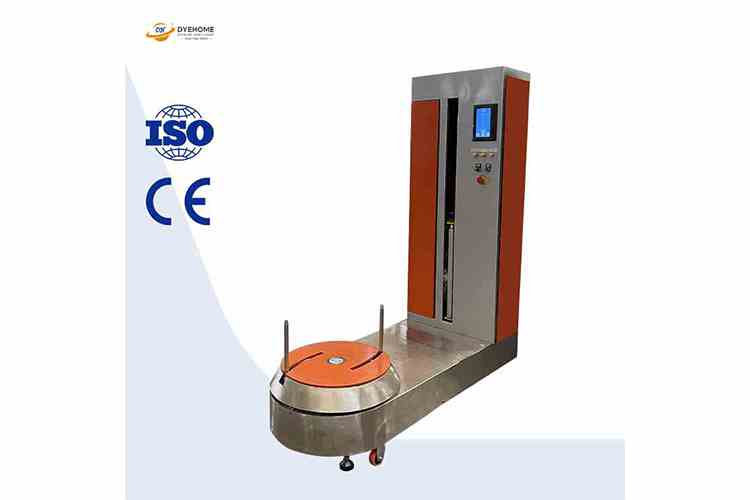
Airport Self-Service Luggage Wrapping Machine
view more -

Cantilever wrapping film packaging machine
view more -
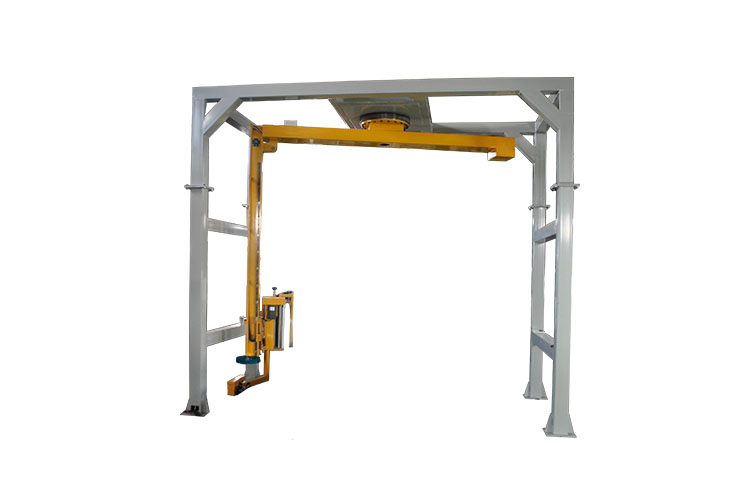
Gantry fully automatic cantilever wrapping machine
view more -
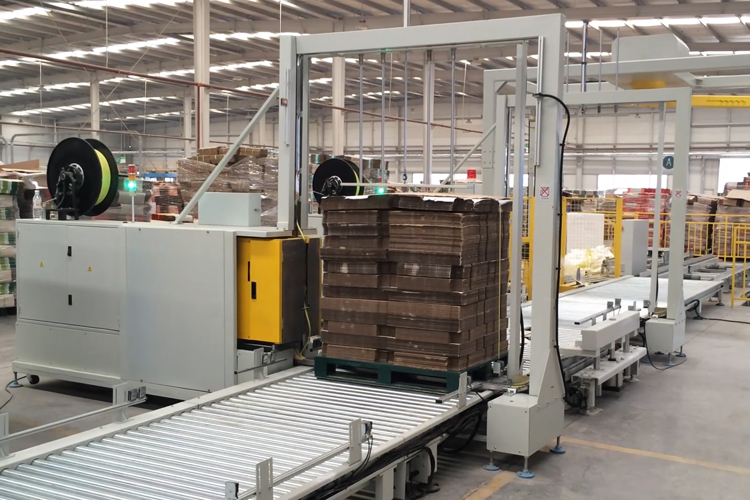
Automated film wrapping and packaging equipment
view more
-
 Shandong Dyehome Intelligent Equipment Co.,Ltd
Phone:0086-17362172587
Whatsapp:+8617362172587
Email:machinedyehome@gmail.com
Add:Building 62, 3000 Meili East Road, DmiPark, Wujiapu Street, Huaiyin District, Jinan City,Shandong Province
Jinan Jiasen Packaging Equipment Co., LtdPhone:0086-15665802370
Add:High-end Equipment Manufacturing Industrial Park, East Industrial New Town, Ancheng Town, Pingyin County, Jinan City, Shandong Province
Shandong Golden Pack Intelligent Equipment Co.,LtdPhone:0086-15662690213
Add:High-end Equipment Manufacturing Industrial Park, East Industrial New Town, Ancheng Town, Pingyin County, Jinan City, Shandong Province
-
YoursIndustry
-
OurSolutions
-
OurServices
-
OurInformation