

Loose Outer Packaging for Tissue Paper Rolls? Stretch Wrapping Machines Standardize Dispatch Protection
Date: 2026-01-29Id:514Views:
Packaging Challenges Before Dispatch of Tissue Paper Products
In tissue paper manufacturing and processing, finished products are typically in roll form, such as toilet paper jumbo rolls, industrial wiping paper, or commercial tissue rolls. These products are lightweight with soft surfaces and are susceptible to deformation, moisture, and dust contamination. Inadequate packaging during storage or transport may lead to edge deformation or surface damage, affecting product quality and presentation.
Working Principle of Tissue Paper Wrapping Machines
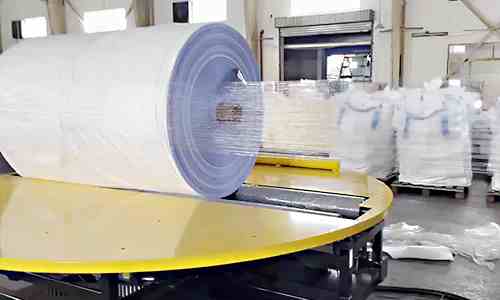
Cylindrical stretch wrapping machines are designed specifically for round paper products. The machine rotates the paper roll using a turntable or ring structure while stretch film is evenly applied around the outer surface, achieving full 360-degree coverage. After wrapping, the roll is protected by a stable outer film layer that helps maintain its shape.
Protective Role of Stretch Film on Paper Rolls
Stretch film offers excellent conformity and controlled elasticity, allowing it to closely fit the outer diameter of paper rolls without excessive compression. By adjusting wrapping layers and overlap ratios, the film provides effective dust and moisture protection while preventing pressure marks on the paper surface.
Adaptability to Different Roll Specifications
Tissue paper wrapping machines can be adjusted based on roll diameter, width, and weight to accommodate various product specifications. Whether for single-roll or grouped packaging, the equipment ensures a consistent external appearance, improving uniformity in dispatch.
Efficiency and Labor Advantages
Compared with manual wrapping or basic packaging methods, dedicated wrapping machines significantly reduce labor involvement. With stable cycle times during continuous operation, the equipment meets medium to high production output requirements, helping alleviate labor pressure and improve overall packaging efficiency.
Application in Paper and Tissue Manufacturing Plants
These machines are typically installed after slitting or rewinding processes, serving as final packaging equipment before storage or shipment. Wrapped paper rolls can be transferred directly to warehouses or loading stations, reducing secondary packaging and handling.
Value in Storage and Transportation
Wrapped tissue paper rolls are less likely to absorb dust during storage and are better protected from moisture and friction during transportation. Standardized outer packaging also supports more efficient warehouse management and handling operations.
Related
products
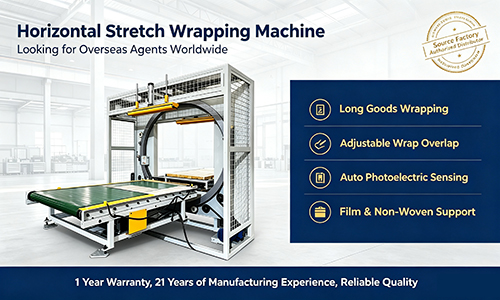
Horizontal Stretch Wrapping Machine SP1000 for Pipes
view more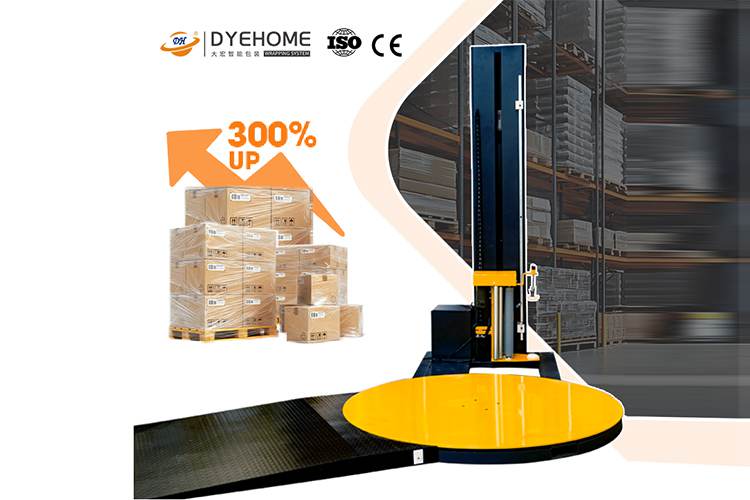
Pallet Stretch Wrapping Machine
view more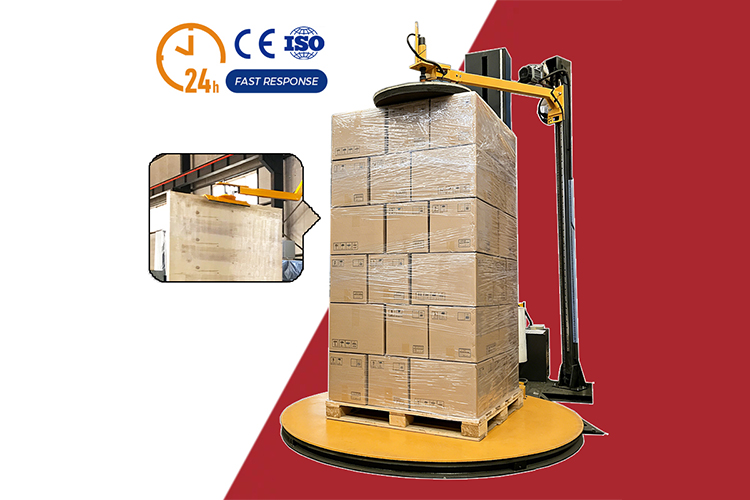
Top Press Pallet Stretch Wrapping Machine
view more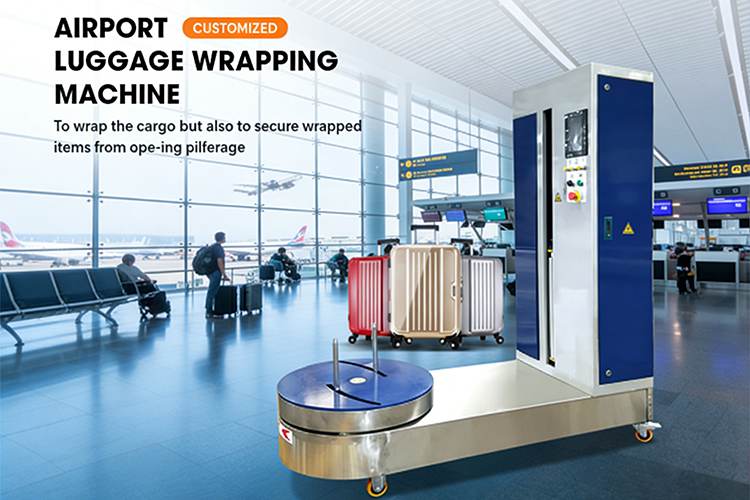
Luggage Wrapping Machine for Airports
view more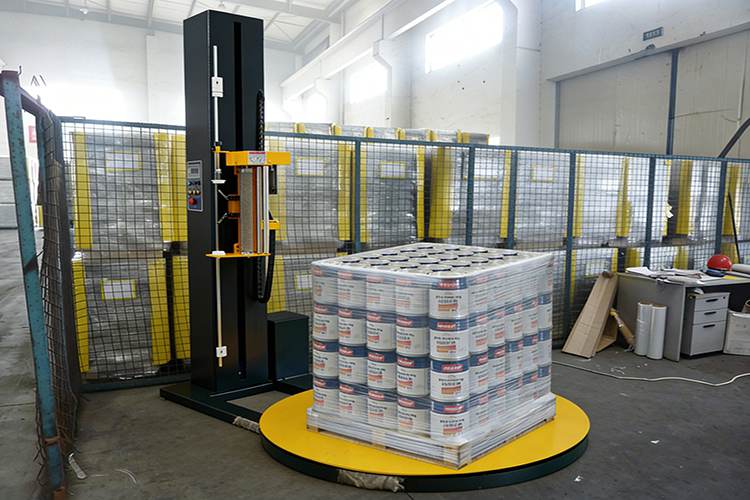
Pallet Stretch Wrapping Machine for Canned Goods
view more
Airport Self-Service Luggage Wrapping Machine
view more
Cantilever wrapping film packaging machine
view more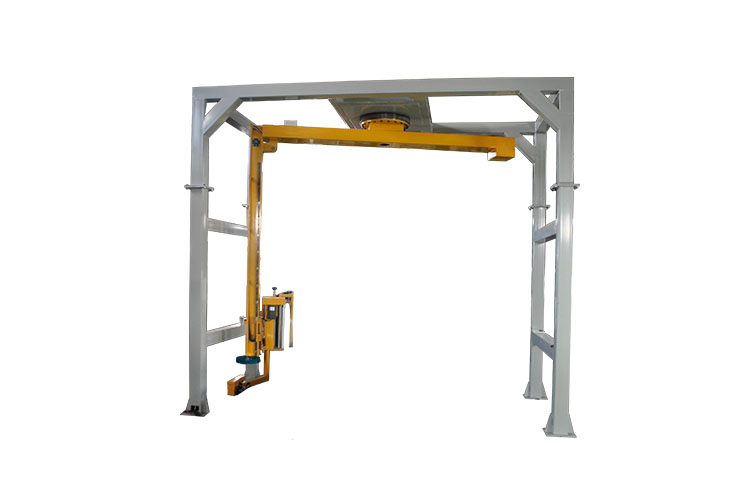
Gantry fully automatic cantilever wrapping machine
view more
 Shandong Dyehome Intelligent Equipment Co.,Ltd
Phone:0086-17362172587
Whatsapp:+8617362172587
Email:machinedyehome@gmail.com
Add:Building 62, 3000 Meili East Road, DmiPark, Wujiapu Street, Huaiyin District, Jinan City,Shandong Province
Jinan Jiasen Packaging Equipment Co., LtdPhone:0086-15665802370
Add:High-end Equipment Manufacturing Industrial Park, East Industrial New Town, Ancheng Town, Pingyin County, Jinan City, Shandong Province
Shandong Golden Pack Intelligent Equipment Co.,LtdPhone:0086-15662690213
Add:High-end Equipment Manufacturing Industrial Park, East Industrial New Town, Ancheng Town, Pingyin County, Jinan City, Shandong Province
YoursIndustry
OurSolutions
OurServices
OurInformation