

How to Choose a Stretch Wrapper: The Complete 2026 Buying Guide
Buying a Stretch Wrapper? Don't Make These Mistakes
With hundreds of models on the market — from 50,000 fully automated systems — choosing the right stretch wrapper can feel overwhelming.
Get it right, and you'll save thousands per year in labor, film, and damage costs. Get it wrong, and you're stuck with a machine that's too slow, too small, or constantly breaking down.
After 21 years in this business and 10,000+ customers worldwide, we've seen every buying mistake in the book. In this guide, we walk you through everything you need to know to choose the perfect stretch wrapper for your operation.
Step 1: Pick the Right Machine Type
The first and most important decision: what type of machine do you need?
There are three main types of stretch wrappers, each designed for different applications.
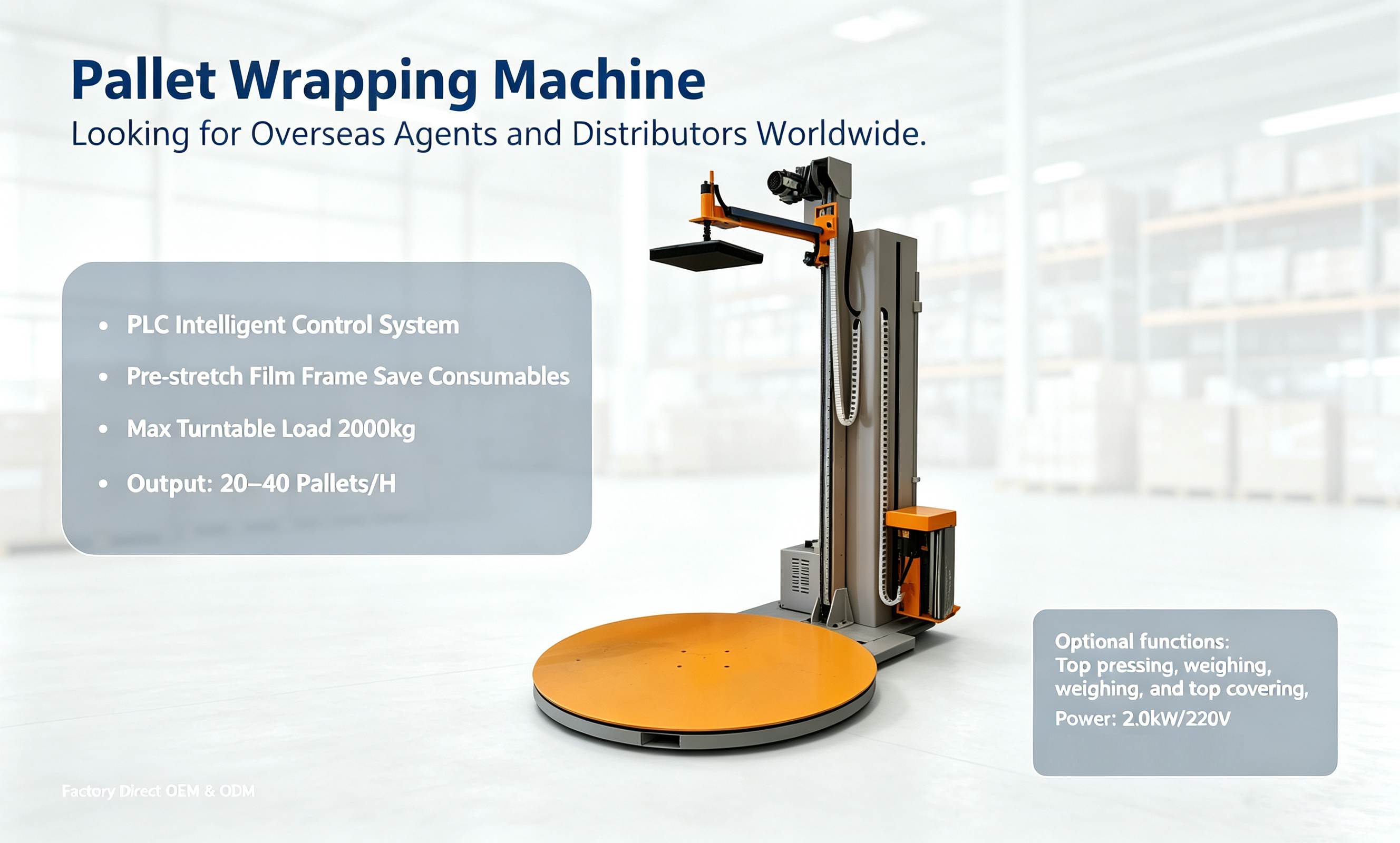
Turntable Stretch Wrappers
How they work: The pallet sits on a turntable that spins, wrapping film around the load.
Best for: Standard palletized loads, most common type
Pros: Lower cost, simple operation, small footprint
Cons: Not ideal for very heavy or unstable loads
Price range:  10,000
Choose a turntable if:
You have standard palletized loads
Load weight is under 2,000 kg (4,400 lbs)
You want the best value for money
Rotary Arm Stretch Wrappers
How they work: The pallet stays still; a rotating arm wraps film around it.
Best for: Heavy, fragile, or unstable loads
Pros: No weight limit, gentle on fragile loads, very fast
Cons: Higher cost, larger footprint
Price range:  30,000
Choose a rotary arm if:
Your loads are very heavy (2+ tons)
Your loads are unstable or can't be spun
You need high throughput
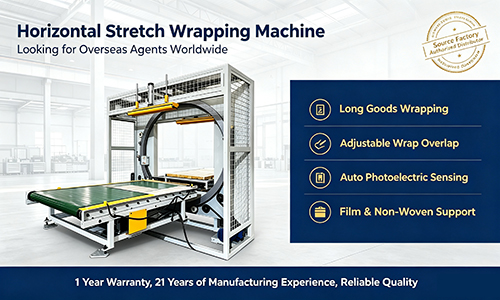
Horizontal Stretch Wrappers
How they work: Product passes horizontally through the machine; a ring wraps film around it.
Best for: Long products like pipes, boards, profiles
Pros: Handles long products that turntables can't
Cons: Only for specific product shapes
Price range:  40,000
Choose a horizontal wrapper if:
You wrap long products (pipes, lumber, profiles)
Products are 0.5m to 6m+ in length
You need inline production integration
Quick Decision Guide
|
Your Situation |
Best Machine Type |
|
Standard pallets, under 2 tons |
Turntable wrapper |
|
Very heavy or unstable pallets |
Rotary arm wrapper |
|
Long products (pipes, boards) |
Horizontal wrapper |
|
High volume, inline production |
0nline / conveyor model |
|
Short runs, many different sizes |
Semi-automatic turntable |
Step 2: Semi-Automatic vs Fully Automatic
Next decision: how much automation do you need?
Semi-Automatic
How it works: Worker loads the pallet, attaches the film manually, pushes a button, and cuts the film when done.
Best for: Lower volume, mixed SKUs, flexible operations
Output: 20-40 pallets/hour
Labor required: 1 operator
Price premium: Base price
Fully Automatic
How it works: Film is automatically attached, wrapped, and cut. Worker just loads pallets — or with a conveyor, fully unattended.
Best for: High volume, consistent sizes, 24/7 operations
Output: 40-100+ pallets/hour
Labor required: Minimal to none (with conveyor)
Price premium: 50-100% more than semi-auto
Which one is right for you?
Choose semi-automatic if:
You do under 60 pallets/day
You have many different load sizes
Budget is tight
You want flexibility
Choose fully automatic if:
You do 80+ pallets/day
You have consistent load sizes
Labor costs are high
You want to integrate with a conveyor line
Rule of thumb: If you're on the fence, go with semi-auto. Most models can be upgraded to full auto later. It's harder to go the other direction.
Step 3: Key Specifications to Check
Not all stretch wrappers are created equal. Here are the specs that matter most:
1. Pre-Stretch Ratio
What it is: How much the film is stretched before wrapping.
Why it matters: Higher ratio = less film used per pallet = ongoing savings.
What to look for:
1:2.5 is the industry standard for good machines
1:3.0 is premium (more common on high-end models)
Avoid anything below 1:2.0 — it'll cost you more in film long-term
Impact: Going from 1:1.5 to 1:2.5 saves roughly 40% on film costs. That's thousands per year.
2. Turntable Diameter & Capacity
What it is: Size of the turntable and how much weight it can hold.
Why it matters: Too small = your pallets won't fit. Too low capacity = damaged machine.
What to look for:
Standard: 1650mm, 2000kg capacity
Larger options: 1800mm, 2000mm, 3000kg+
Always buy slightly more capacity than you need
3. Control System
What it is: The controls and software that run the machine.
Why it matters: Simple controls = less training, fewer mistakes. Advanced controls = more flexibility.
What to look for:
Basic: button panel with adjustable wrap count
Mid-range: PLC with digital display
Premium: Touchscreen HMI, recipe memory, data tracking
Can it store multiple recipes for different products?
4. Build Quality
What it is: How the machine is constructed.
Why it matters: A well-built machine lasts 10-15 years. A cheap one lasts 2-3.
What to look for:
Frame material: square steel tube vs. thin sheet metal
Weld quality: continuous welds vs. spot welds
Paint finish: powder coated vs. spray painted
Brand of electrical components: Schneider/Siemens vs. no-name
Step 4: Special Features to Consider
Depending on your needs, these features might be worth paying extra for:
|
Feature |
What It Does |
Who Needs It |
|
Top sheeting |
Adds a top film layer for dust/rain protection |
Outdoor storage, shipping |
|
Pressure plate |
Holds the load down while wrapping |
Light or unstable loads |
|
Ramp / pit |
Allows pallet jack or forklift access |
Facilities without forklifts |
|
Scale integration |
Weighs pallets while wrapping |
Shipping, inventory tracking |
|
Safety light curtain |
Stops machine if someone enters zone |
High-traffic areas, safety-conscious |
|
Remote monitoring |
Track performance via software |
Large operations, multi-site |
|
Stainless steel |
Food-grade, corrosion-resistant |
Food, beverage, chemical |
|
Explosion-proof |
Rated for hazardous environments |
Chemical, oil & gas |
Step 5: How to Evaluate Suppliers
The machine is only as good as the company behind it. Here's how to pick a reliable supplier:
Check Their Track Record
How long have they been in business? 10+ years = they've survived market changes. Under 3 years = risky.
Do they manufacture themselves? Factory-direct = better pricing and service. Traders = middleman markup and vague support.
What's their export experience? If you're international, look for suppliers with experience in your region.
Do they have certifications? CE, ISO 9001, etc. These show commitment to quality.
Evaluate After-Sales Support
What's the warranty? 1 year is minimum. 2+ years on core parts is a good sign.
How fast is their response? 24-hour response should be standard.
Do they offer on-site service? For international customers, remote support plus local technicians is ideal.
Are spare parts readily available? Standard parts (Schneider, Siemens) = easy to source locally.
Ask for References
Can they give you customer references in your industry or region?
Do they have case studies?
What do independent reviews say?
Step 6: Total Cost of Ownership
Don't just look at the purchase price. Think about the total cost over the machine's lifespan
The budget machine is CHEAPEST upfront but most EXPENSIVE long-term. The mid-range machine has the lowest total cost of ownership over 10 years.
Quick Buying Checklist
Before you buy, make sure you can answer these questions:
How many pallets do you wrap per day?
How heavy is each pallet?
What are your maximum pallet dimensions?
What type of products do you wrap?
Do you need semi-auto or fully automatic?
Will it be used indoors or outdoors?
Do you need to integrate with a conveyor line?
Are there special requirements (food-grade, explosion-proof, etc.)?
What's your budget?
What kind of support and warranty does the supplier offer?
products
Horizontal Stretch Wrapping Machine SP1000 for Pipes
view more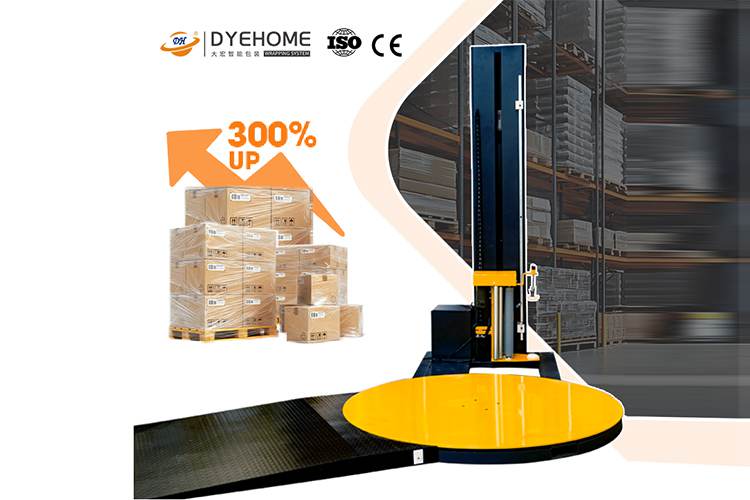
Pallet Stretch Wrapping Machine
view more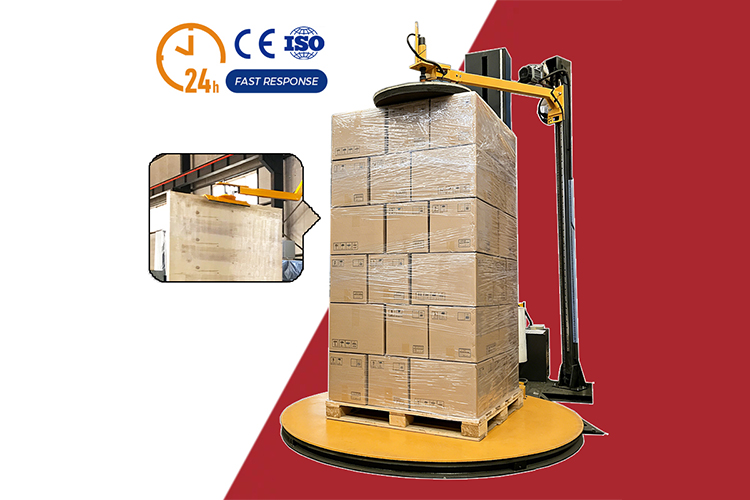
Top Press Pallet Stretch Wrapping Machine
view more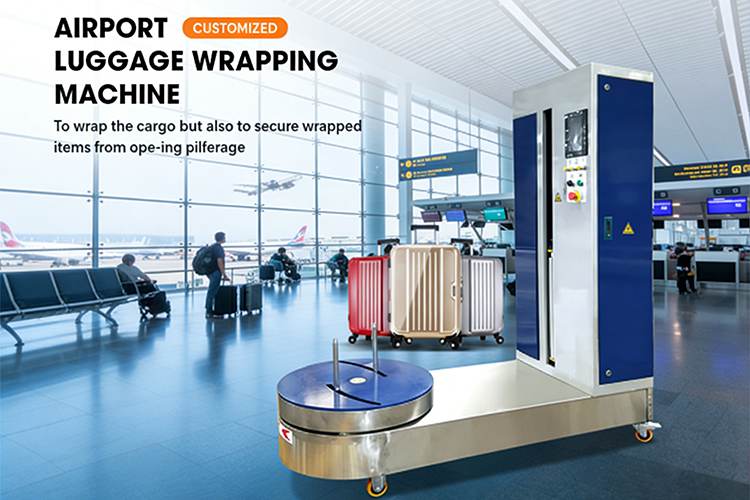
Luggage Wrapping Machine for Airports
view more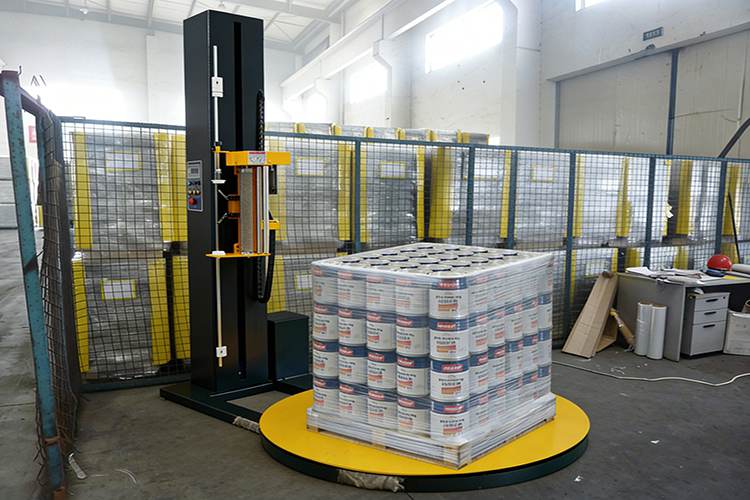
Pallet Stretch Wrapping Machine for Canned Goods
view more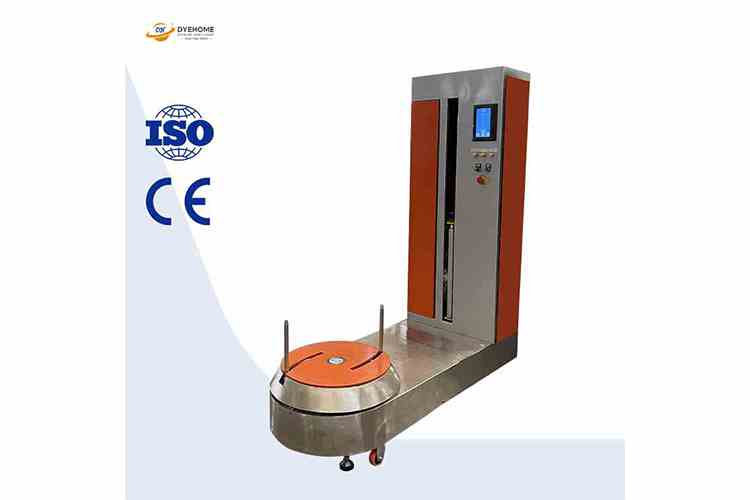
Airport Self-Service Luggage Wrapping Machine
view more
Cantilever wrapping film packaging machine
view more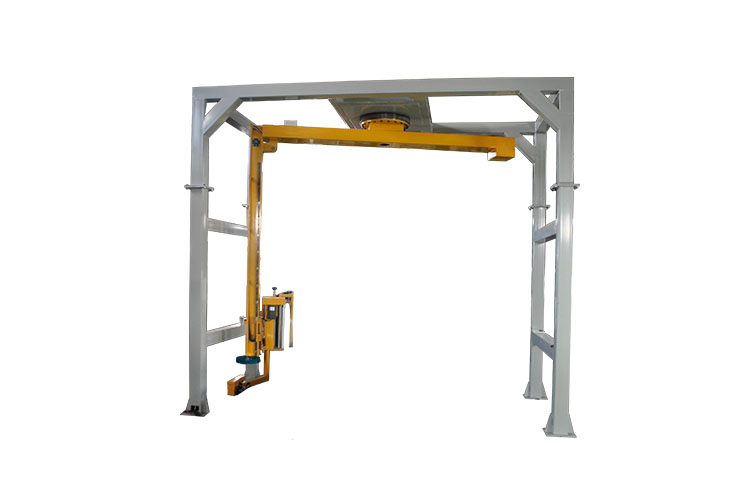
Gantry fully automatic cantilever wrapping machine
view more
 Shandong Dyehome Intelligent Equipment Co.,Ltd
Phone:0086-17362172587
Whatsapp:+8617362172587
Email:machinedyehome@gmail.com
Add:Building 62, 3000 Meili East Road, DmiPark, Wujiapu Street, Huaiyin District, Jinan City,Shandong Province
Jinan Jiasen Packaging Equipment Co., LtdPhone:0086-15665802370
Add:High-end Equipment Manufacturing Industrial Park, East Industrial New Town, Ancheng Town, Pingyin County, Jinan City, Shandong Province
Shandong Golden Pack Intelligent Equipment Co.,LtdPhone:0086-15662690213
Add:High-end Equipment Manufacturing Industrial Park, East Industrial New Town, Ancheng Town, Pingyin County, Jinan City, Shandong Province
YoursIndustry
OurSolutions
OurServices
OurInformation