

Automotive Parts Packaging Solutions: The Complete 2026 Guide
Why Automotive Parts Packaging Is in a League of Its Own
The automotive industry has some of the most demanding packaging requirements of any sector.When a single damaged sensor can delay an entire assembly line,and a scratched interior trim panel means a rejected shipment,packaging isn't just about protection—it's about keeping production lines running.
Consider the scale and complexity:
A modern car contains roughly 30,000 individual parts,from tiny electronic sensors to entire engine blocks
Global automotive packaging market is projected to reach$48.5 billion by 2027,growing at 5.3%CAGR
OEMs and Tier-1 suppliers operate under zero-defect standards—even cosmetic damage is unacceptable
Just-in-time(JIT)delivery means packaging failures can shut down production lines costing$10,000+per minute of downtime
IATF 16949 quality management standard requires complete traceability and documentation of packaging processes
Automotive parts packaging has to satisfy a long list of requirements:precision protection,scratch resistance,rust prevention,traceability,stackability,returnability,and more.Get it wrong,and the costs are immediate and severe.
In this guide,we'll cover the full spectrum of automotive parts packaging—from the unique requirements of different component categories to the automation solutions that are helping Tier-1 suppliers cut costs while meeting the strictest quality standards.
The 6 Special Requirements of Automotive Parts Packaging
1.Precision Protection—Zero Tolerance for Damage
Automotive components range from delicate electronic sensors weighing grams to cast iron engine blocks weighing hundreds of pounds.Each has specific protection requirements,and there's essentially zero tolerance for damage.Even a minor scratch on a visible interior part is a reject.
2.Scratch&Mar Resistance
For interior trim,exterior body panels,and painted components,surface finish is everything.Packaging materials themselves must not cause scratches—which means:
Non-abrasive dunnage and lining materials
Custom-molded inserts that hold parts without rubbing
Protective films that don't leave adhesive residue
Consistent wrapping tension—too tight and you get pressure marks,too loose and parts shift
3.Rust&Corrosion Prevention
Metal parts—engine components,brake systems,fasteners,chassis parts—must arrive at the assembly plant free of corrosion.This requires:
VCI(Volatile Corrosion Inhibitor)packaging materials
Moisture barrier packaging
Desiccant packs in sealed packages
Complete,consistent wrapping that seals out humidity
4.Traceability&Compliance
Under IATF 16949 and various OEM requirements,every shipment must be fully traceable.Packaging plays a role here too:
Barcode/QR code labels must be readable through stretch wrap
Batch and lot numbers must be visible
Packaging process parameters should be recorded for quality audits
Automated systems provide consistent,documented wrapping quality
5.Returnable&Reusable Packaging Systems
Much automotive packaging is designed for closed-loop systems—reusable containers,dunnage,and pallets that circulate between supplier and OEM.This adds complexity:
Packaging must be durable enough for 50–200 return cycles
Return logistics and cleaning must be efficient
Stretch wrap used to secure returnable racks must be easy to remove and recyclable
6.Mixed Loads&Assembly Sequencing
Modern automotive logistics often involves sequenced parts delivery—parts arrive at the assembly line in the exact order they're needed.Packaging must support this:organized,labeled,and easy to access without damaging other parts.
Different Parts,Different Packaging Solutions
Automotive parts vary enormously,and so do their packaging needs.Here's a breakdown by category:
|
Part Category |
Examples |
Key Packaging Challenges |
Recommended Approach |
|
Engine&Powertrain |
Engine blocks,cylinder heads,transmissions,crankshafts |
Heavy weight,rust prevention,impact protection |
Custom foam inserts+VCI film+heavy-duty stretch wrapping |
|
Chassis&Suspension |
Control arms,brake calipers,springs,axles |
Irregular shapes,heavy weight,corrosion protection |
Returnable steel racks+stretch wrap stabilization |
|
Interior Trim |
Dashboard panels,door panels,seat components,consoles |
Scratch prevention,surface finish protection,shape complexity |
Custom thermoform trays+protective film+careful banding |
|
Exterior Body Parts |
Bumpers,fenders,grilles,mirrors |
Painted surface protection,large/bulky shape,fragility |
Specialized racks+protective film covers |
|
Electronics&Electrical |
ECUs,sensors,wiring harnesses,batteries |
ESD protection,moisture sensitivity,fragility |
ESD packaging+moisture barrier+anti-static wrap |
|
Fasteners&Small Parts |
Bolts,nuts,clips,brackets |
Quantity accuracy,rust prevention,bulk handling |
Bagged/boxed+palletized stretch wrapping |
|
Glass&Lighting |
Windshields,windows,headlight assemblies |
Extreme fragility,scratch prevention,shape complexity |
Custom racking with foam lining+end cap protection |
Automotive Industry Packaging Standards You Need to Know
Automotive packaging doesn't exist in a vacuum—it's governed by a web of standards and OEM-specific requirements.Here are the most important ones:
IATF 16949
The International Automotive Task Force quality management standard applies to the entire automotive supply chain.For packaging,it means:
Documented packaging processes and procedures
Traceability from supplier to end customer
Preventive action rather than detection of defects
Continuous improvement of packaging processes
OEM-Specific Standards
Major automakers have their own packaging requirements:
Ford AIAG packaging guidelines—standardized packaging for the North American supply chain
Toyota Global Packaging Standard—emphasizes efficiency,returnability,and waste reduction
Volkswagen Group packaging requirements—detailed specifications for part protection and labeling
BMW Group Logistics packaging standard—focuses on sustainable,reusable packaging systems
Industry Trends Shaping Packaging Requirements
EV(Electric Vehicle)transition—batteries,motors,and power electronics introduce new packaging challenges:heavy weight,high value,ESD sensitivity,and thermal management requirements
Right-sized packaging—OEMs pushing suppliers to minimize package size and weight to reduce logistics costs and carbon footprint
Sustainability mandates—many OEMs have set targets for 100%reusable or recyclable packaging,following EU PPWR and similar regulations
Digitalization—QR codes,RFID,and digital twins for packaging and logistics tracking
How Automation Is Transforming Automotive Parts Packaging
Automotive suppliers are under constant pressure:reduce costs,improve quality,increase throughput.Packaging automation is one of the most impactful investments they can make.
The Cost of Manual Packaging in the Auto Industry
Many Tier-2 and Tier-3 suppliers still rely heavily on manual wrapping.The costs are higher than most realize:
Labor cost:A worker wrapping 40 pallets per shift costs$40,000–60,000/year per shift
Material waste:Manual wrapping typically uses 2–3x more film than automated wrapping
Inconsistency:Some pallets are under-wrapped(damage risk),some over-wrapped(waste)
Quality variation:With IATF 16949 requirements,inconsistent packaging is a compliance risk
Safety:Workers doing repetitive wrapping motions face ergonomic injury risks
What Automated Brings to Automotive Packaging
1.Consistent Quality,Every Time
Automated machines apply exactly the same wrap pattern,tension,and number of layers to every single pallet.For automotive suppliers,this means:
Zero variation between shifts or operators
Documented,auditable packaging quality
Fewer rejected shipments due to packaging issues
Better compliance with IATF 16949 and OEM requirements
2.Significant Cost Reduction
Let's look at the numbers for a typical Tier-1 automotive supplier wrapping 80 pallets per day:
|
Cost Category |
Manual Wrapping |
Automatic Wrapping |
Annual Savings |
|
Stretch film(220 days/year) |
$79,200(180g/pallet) |
$30,800(70g/pallet) |
$48,400 |
|
Labor(2 workers) |
$90,000 |
$15,000(supervisor only) |
$75,000 |
|
Product damage |
$65,000(est.2.5%damage) |
$13,000(est.0.5%damage) |
$52,000 |
|
Energy&supplies |
$3,500 |
$5,000 |
-$1,500 |
|
Total |
$237,700 |
$63,800 |
$173,900/year |
At these numbers,a high-quality automatic stretch wrapper pays for itself in 8–12 months.
3.Labor Reallocation&Safety
Beyond direct cost savings,automation addresses two critical issues in the automotive industry:
Labor shortage:Many manufacturing regions struggle to find and retain workers for manual packaging roles
Ergonomic safety:Repetitive bending,lifting,and twisting during manual wrapping causes musculoskeletal injuries—a major cost and compliance issue
Case Study 1:Brake System Manufacturer—85%Damage Reduction,10-Month ROI
A Tier-1 automotive brake system manufacturer in Germany was supplying brake calipers,rotors,and pads to multiple European OEMs.Despite careful manual wrapping,they were experiencing a 2.8%damage rate on shipments—mostly chipped corrosion-protective coating and bent mounting brackets.
The Challenges
Heavy,irregularly shaped parts—calipers castings weighing 3–5 kg each
Corrosion protection coating easily chipped on impact
Manual wrapping quality varied between shifts
OEM had issued a quality warning due to repeated packaging issues
Annual damage cost:approximately€175,000 in replacements,rework,and shipping charges
The Solution:Dyehome S400 Automatic Turntable Wrapper with Custom Programming
We worked with the customer's packaging engineering team to implement a tailored solution:
Dyehome S400 automatic turntable wrapper with 1:3.0 pre-stretch
Custom wrap profiles for different part types—varying tension and wrap layers based on product characteristics
Top sheet dispenser for dust and moisture protection during sea freight
Integration with their ERP system for batch traceability records
Operator training on proper load building and edge protection placement
Results After 12 Months
|
Metric |
Before |
After |
Improvement |
|
Shipment damage rate |
2.8% |
0.42% |
85%reduction |
|
Film usage per pallet |
220 grams |
68 grams |
69%reduction |
|
Packaging labor cost |
€82,000/year |
€18,000/year |
78%reduction |
|
OEM quality complaints |
12 per year |
1 per year |
92%reduction |
|
Annual total savings |
€265,000+ |
||
ROI was achieved in 10 months.Perhaps more importantly,the OEM removed the quality warning and awarded the supplier additional business citing their"excellent and consistent packaging quality."
Case Study 2:EV Battery Component Supplier—Cleanroom-Grade Packaging Automation
A Chinese supplier of EV battery modules was expanding production and needed packaging that met their global EV manufacturer customer's strict cleanliness and protection standards.Battery modules are high-value(>$5,000 each),heavy(40–60 kg each),and extremely sensitive to moisture,dust,and physical damage.
The Requirements
Ultra-clean packaging environment—no contamination from packaging process
Moisture barrier—modules must stay under specific humidity levels during transport
ESD protection—no static damage to sensitive electronics
Complete traceability—every pallet's packaging parameters recorded
High throughput—60+pallets per day across 3 shifts
The Solution:Dyehome Inline Wrapping System with Clean Room Configuration
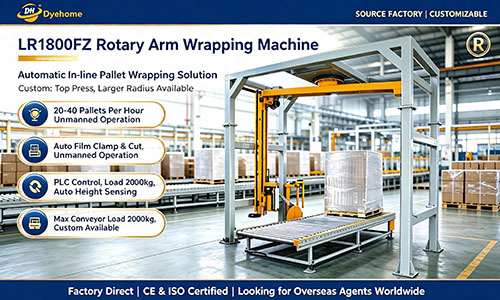
Fully automatic inline rotary arm wrapper—no human contact with the product during wrapping
Anti-static film path and ESD-safe components
Integrated top sheet with moisture barrier film
PLC data logging—every wrap cycle's parameters saved and traceable
Cleanroom-compatible design with sealed bearings and minimal particle generation
Results
Zero packaging-related defects in the first 8 months of operation
Throughput increased 3x compared to semi-manual process
Successfully passed the OEM's strict supplier audit on the first attempt
Packaging labor reduced from 6 workers across 3 shifts to 1 supervisor per shift
Choosing the Right Packaging Automation for Your Auto Parts Business
With so many options available,how do you choose the right automation solution?Here's our recommended framework:
Step 1:Assess Your Current State
How many pallets/units do you package per day?Per shift?
What's your current damage rate and associated cost?
How much are you spending on packaging labor and materials?
What specific OEM or industry standards do you need to meet?
Where are your biggest pain points:cost,quality,throughput,or compliance?
Step 2:Match Machine Type to Your Products
|
Product Type |
Recommended Machine |
Key Features to Look For |
|
Standard pallets(engine parts,fasteners,electronics) |
Automatic turntable wrapper |
1:2.5+pre-stretch,variable tension,top sheet option |
|
Heavy pallets(castings,battery modules) |
Rotary arm wrapper |
No weight limit,heavy-duty construction,dust protection |
|
High-volume production line |
Inline conveyorized system |
Full automation,ERP integration,data logging |
|
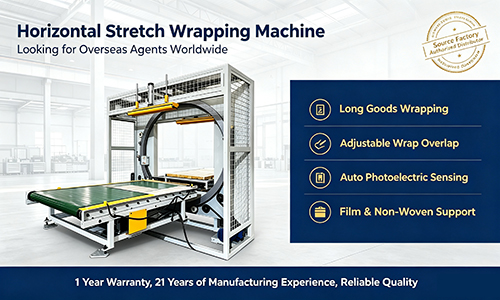
Long parts(exhaust pipes,drive shafts) |
Horizontal stretch wrapper |
Various ring diameters,end cap options |
|
Cleanroom/ESD-sensitive |
Cleanroom-configured wrapper |
ESD-safe,low-particle design,sealed components |
Step 3:Evaluate ROI
Calculate your total current packaging cost(labor+materials+damage)and compare to the automated alternative.Most automotive suppliers see ROI within 6–18 months,plus the intangible benefits of better quality,compliance,and customer satisfaction.
products
Horizontal Stretch Wrapping Machine SP1000 for Pipes
view more
Pallet Stretch Wrapping Machine
view more
Top Press Pallet Stretch Wrapping Machine
view more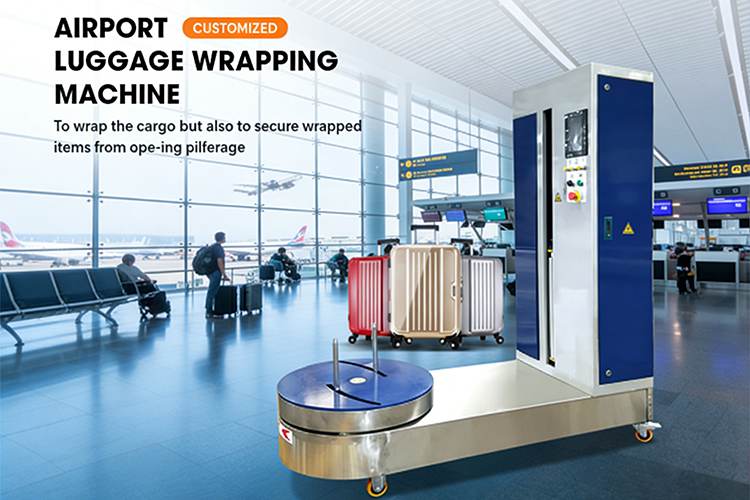
Luggage Wrapping Machine for Airports
view more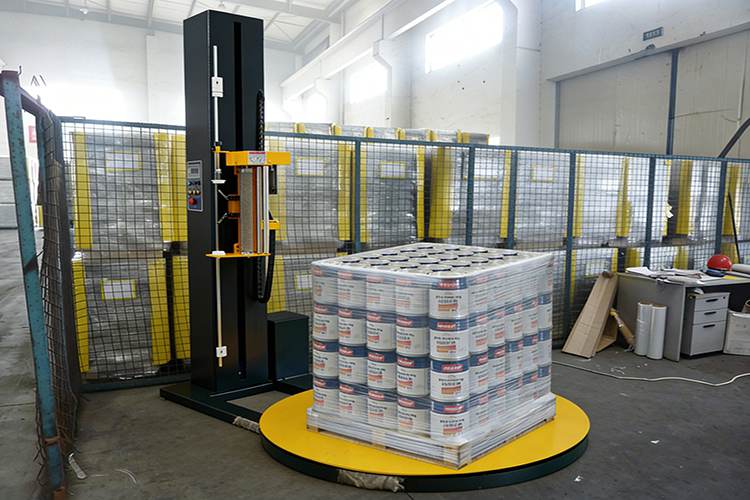
Pallet Stretch Wrapping Machine for Canned Goods
view more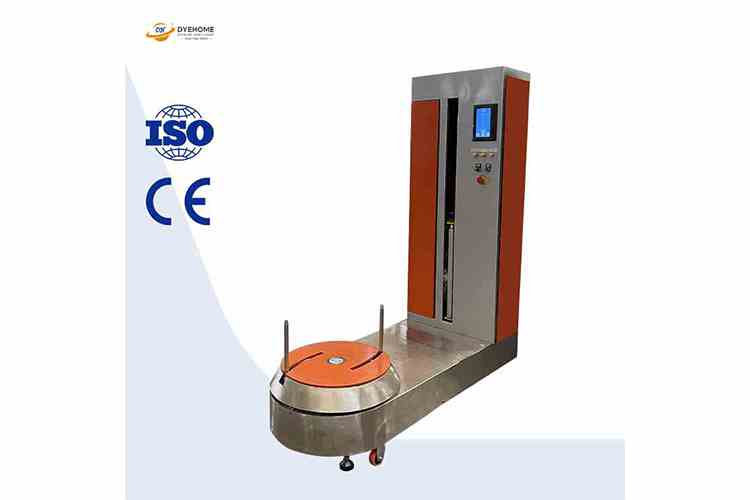
Airport Self-Service Luggage Wrapping Machine
view more
Cantilever wrapping film packaging machine
view more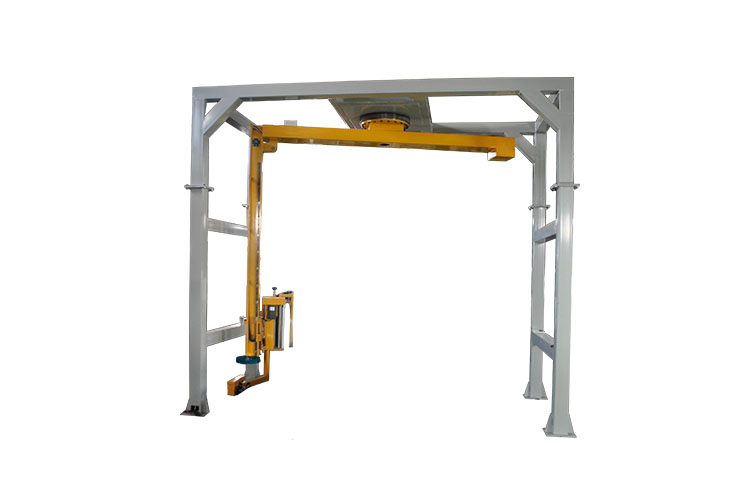
Gantry fully automatic cantilever wrapping machine
view more
 Shandong Dyehome Intelligent Equipment Co.,Ltd
Phone:0086-17362172587
Whatsapp:+8617362172587
Email:machinedyehome@gmail.com
Add:Building 62, 3000 Meili East Road, DmiPark, Wujiapu Street, Huaiyin District, Jinan City,Shandong Province
Jinan Jiasen Packaging Equipment Co., LtdPhone:0086-15665802370
Add:High-end Equipment Manufacturing Industrial Park, East Industrial New Town, Ancheng Town, Pingyin County, Jinan City, Shandong Province
Shandong Golden Pack Intelligent Equipment Co.,LtdPhone:0086-15662690213
Add:High-end Equipment Manufacturing Industrial Park, East Industrial New Town, Ancheng Town, Pingyin County, Jinan City, Shandong Province
YoursIndustry
OurSolutions
OurServices
OurInformation