

Automatic Cantilever Top Cover Stretch Wrapping Machine: Accelerating Five-Side Protection for Palletized Goods
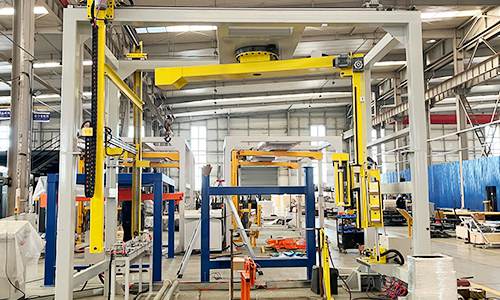
What Is the Cantilever Top Cover Wrapping Machine
This equipment integrates:
- Top cover protection system
- Cantilever wrapping mechanism
- Automatic conveyor system
- Unmanned PLC control system
It is designed for palletized goods in industries such as food, beverage, chemical, construction materials, paper, and new energy.
By combining top sealing and full-body wrapping, it enhances transport stability and reduces moisture damage, pallet collapse, and logistics breakage.
Why Pallets Need “Top Cover + Wrapping” Protection
In modern logistics systems, palletized goods have become the mainstream shipping method.
However, with longer transport distances and more complex environments, bottom and side wrapping alone is no longer sufficient.
During rainy seasons, outdoor loading, or long-distance container transport, the top of goods becomes the most vulnerable area:
- Water ingress causes product damage
- Moisture leads to packaging failure
- Entire pallet batches may be rejected
Therefore, integrated top protection + wrapping is increasingly required.
Why Cantilever Structure Is More Efficient
The machine adopts a cantilever rotating structure. During operation, the pallet remains stationary while the cantilever rotates around it at high speed.
Compared with turntable systems, it offers:
- No need for pallet rotation (suitable for heavy or unstable loads)
- Better integration with inline production systems
- Easy connection with roller, chain, or conveyor lines
This makes it ideal for continuous industrial production environments.
How Top Cover System Improves Protection Level
The system first applies a top film cover, then performs full wrapping around the pallet.
This creates a “five-side protection” structure, effectively reducing risks such as:
- Water damage from top exposure
- Load collapse during vibration
- Surface abrasion inside containers
- Impact damage during forklift handling
It is especially important for export and long-distance transport.
Automation Improves Packaging Efficiency
The system uses a PLC control system to automate:
- Load detection
- Wrapping start/stop
- Film tension control
- Conveyor coordination
Typical performance:
- 20–40 pallets per hour
- Pre-stretch ratio up to 250%
- Automatic film cutting and sealing
- Compatible with roller, chain, and belt conveyors
This greatly reduces labor requirements and stabilizes logistics rhythm.
Industries Adopting This System Rapidly
The equipment is widely used in:
- Food & beverage: high-frequency shipments
- Chemical industry: bagged materials requiring stability
- Paper industry: moisture-sensitive products
- Construction materials: heavy pallet loads
- New energy industry: strict transport safety requirements
Common needs include high volume, long transport distance, and strict packaging stability.
From Single Machine to Integrated Packaging Line
The packaging industry is shifting from standalone machines to system-level solutions.
Cantilever wrapping machines are now part of full automated logistics lines, integrated with:
- Automatic palletizing systems
- Conveyor systems
- Warehouse systems
This enables fully unmanned packaging from production line to warehouse dispatch.
Becoming a Mainstream Configuration
With increasing demands for transport safety, packaging standardization, and labor cost reduction, traditional packaging methods are no longer sufficient.
The automatic cantilever top cover wrapping machine, combining:
- High-speed cantilever wrapping
- Top cover protection
- Automated conveying
is becoming a key direction in modern industrial packaging upgrades.
FAQ
Q1: What types of goods is it suitable for?
It is suitable for heavy pallets, unstable loads, high stacks, and moisture-sensitive products.
Q2: Why is top cover necessary?
It protects goods from rain, dust, and top-side damage during transport.
Q3: Can it be integrated into production lines?
Yes, it supports roller, chain, and belt conveyor systems.
Q4: What is the packaging efficiency?
Typically 20–40 pallets per hour.
Q5: Is it suitable for export packaging?
Yes, especially for moisture-sensitive and long-distance shipments.
products

Cantilever wrapping film packaging machine
view more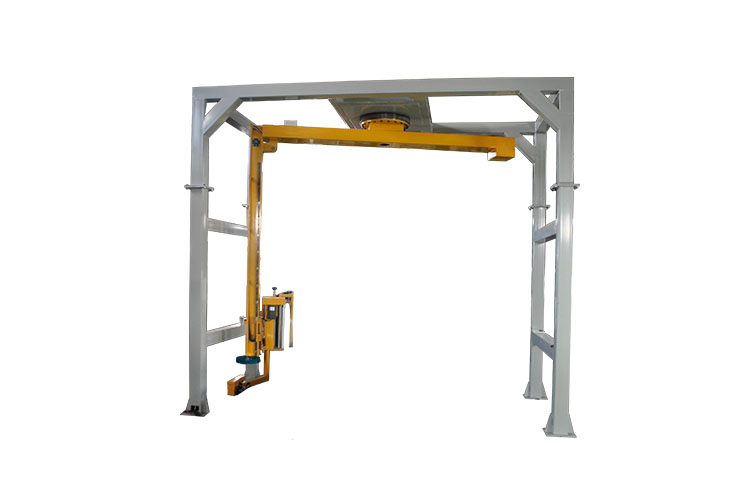
Gantry fully automatic cantilever wrapping machine
view more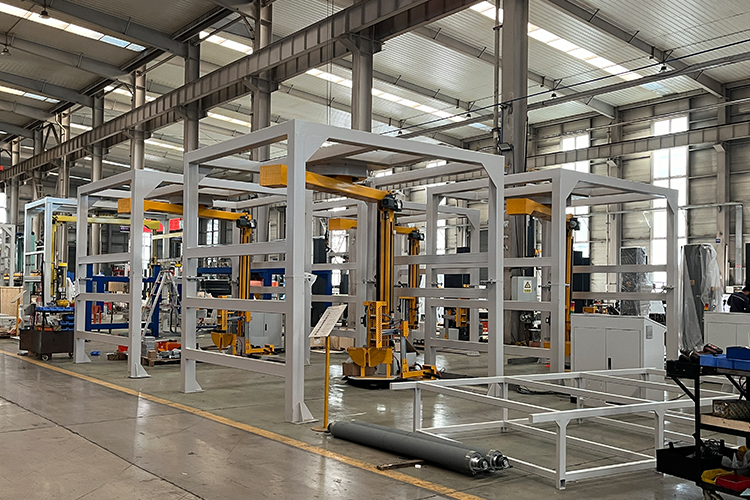
Cantilever wrapping packaging machine
view more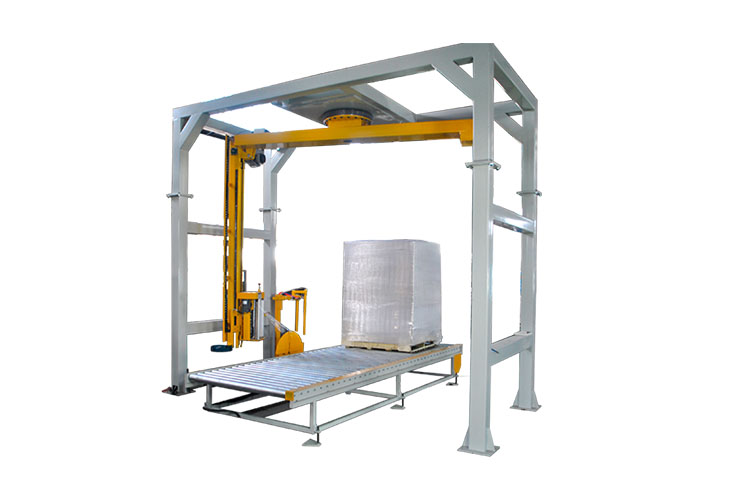
Rocker-type online wrapping machine
view more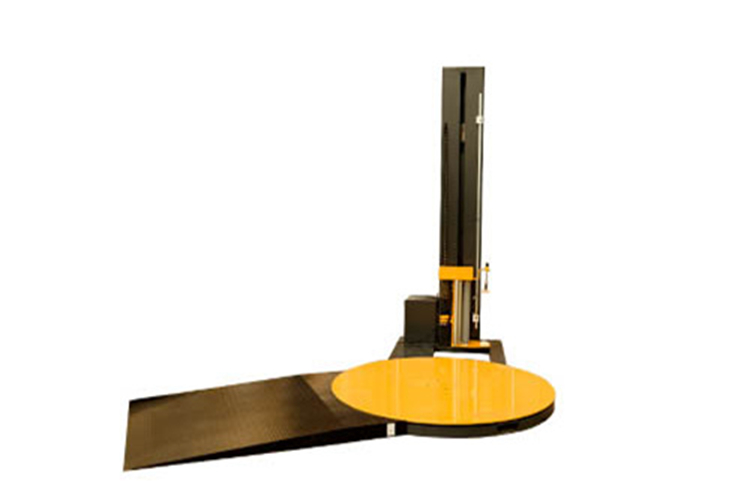
Stretch film wrapping machine
view more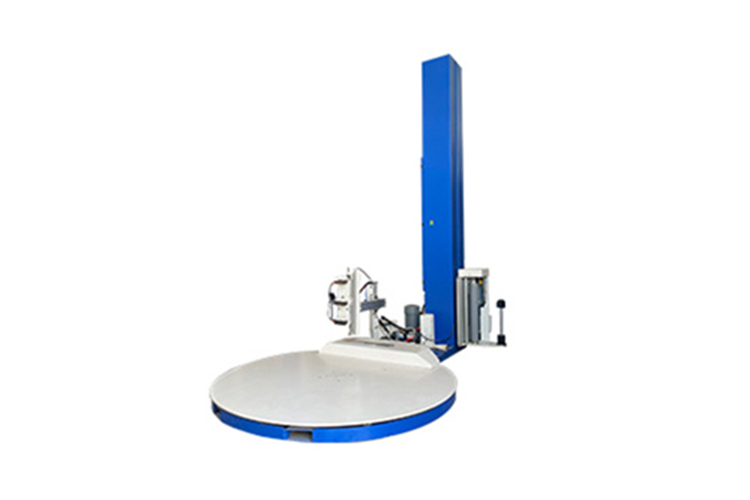
Pallet wrapping packaging equipment
view more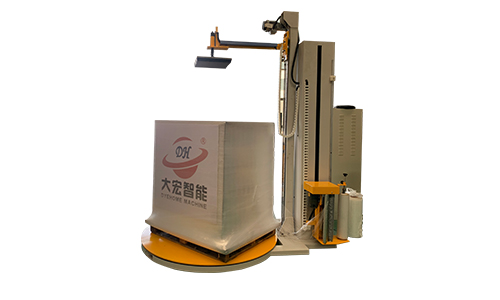
Turntable wrapping machine with top pressure
view more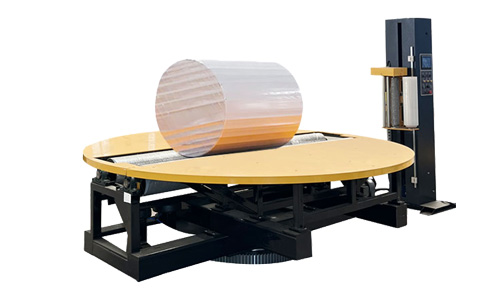
Pallet paper tube wrapping machine
view more
 Shandong Dyehome Intelligent Equipment Co.,Ltd
Phone:0086-17362172587
Whatsapp:+8617362172587
Email:machinedyehome@gmail.com
Add:Building 62, 3000 Meili East Road, DmiPark, Wujiapu Street, Huaiyin District, Jinan City,Shandong Province
Jinan Jiasen Packaging Equipment Co., LtdPhone:0086-15665802370
Add:High-end Equipment Manufacturing Industrial Park, East Industrial New Town, Ancheng Town, Pingyin County, Jinan City, Shandong Province
Shandong Golden Pack Intelligent Equipment Co.,LtdPhone:0086-15662690213
Add:High-end Equipment Manufacturing Industrial Park, East Industrial New Town, Ancheng Town, Pingyin County, Jinan City, Shandong Province
YoursIndustry
OurSolutions
OurServices
OurInformation