

Pipe Stretch Wrapping Machine: A Reliable Solution for Preventing Bundle Loosening and Deformation During Transportation
Why Is Packaging Becoming Increasingly Important for Pipe Products?
Pipe manufacturers, metal processing companies, and building material suppliers often face challenges during storage, loading, transportation, and unloading processes.
Although pipes and profiles are generally durable, they remain vulnerable to surface scratches, bundle loosening, and end-impact damage during transportation. For export shipments and long-distance logistics, insufficient packaging can increase product damage rates and affect customer satisfaction.
As a result, more companies are investing in advanced packaging solutions to improve product protection and brand reputation.
Why Can Traditional Manual Packaging No Longer Meet Modern Shipping Requirements?
Many companies still rely on manual film wrapping, manual strapping, or simple covering methods. However, as production volumes increase, these approaches often lead to inconsistent packaging quality, low efficiency, and higher labor costs.
Long products with varying dimensions are particularly difficult to package manually. Labor-intensive operations also create challenges in maintaining packaging consistency.
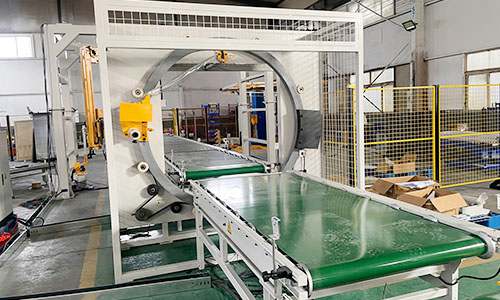
Pipe stretch wrapping machines can operate continuously alongside automated conveyor systems and apply stretch film, non-woven fabric, composite paper, and other packaging materials to create standardized, high-speed packaging processes.
What Packaging Challenges Do Long Products Face During Transportation?
Unlike standard palletized goods, pipes, profiles, and bars are typically long and difficult to stabilize during handling and transportation.
During forklift operations, warehouse storage, and truck transportation, insufficient packaging can lead to bundle movement, loosening, and even product deformation.
For galvanized pipes, stainless steel pipes, and products requiring high-quality surface finishes, scratches and collisions can significantly affect product appearance and quality.
Pipe stretch wrapping machines use a rotating ring system to apply packaging materials evenly around the product, creating a secure protective layer that improves transportation stability and product protection.
Automation Is Driving Upgrades Across the Pipe Manufacturing Industry
More pipe and profile manufacturers are investing in automated production lines and seeking seamless integration between production, conveying, and packaging processes.
Horizontal wrapping machines can be integrated with roller conveyors, belt conveyors, and automated transfer systems to achieve automatic conveying, wrapping, and continuous packaging operations.
Some systems also feature automatic film cutting, further reducing labor requirements and improving packaging efficiency.
For high-volume manufacturers, automation helps lower labor costs, improve packaging consistency, and enhance logistics management.
Pipe Stretch Wrapping Machines Are Becoming Essential Equipment for Long Product Packaging
As market expectations for transportation protection and packaging quality continue to increase, packaging has become a key factor in maintaining product competitiveness.
For steel pipe, profile, bar, and building material manufacturers, reducing transportation damage, improving packaging efficiency, and lowering labor costs are top priorities.
By combining automatic conveying, continuous wrapping, and full-product protection, pipe stretch wrapping machines help improve transportation safety and packaging standardization. They are widely used in construction materials, steel manufacturing, aluminum processing, pipe production, machinery manufacturing, and logistics industries.
FAQ
Q1: What products can be packaged with a pipe stretch wrapping machine?
It is suitable for steel pipes, galvanized pipes, stainless steel pipes, plastic pipes, aluminum profiles, bars, panels, and other long products.
Q2: What packaging materials can be used?
Common packaging materials include stretch film, non-woven fabric, composite paper, woven tape, and other protective wrapping materials.
Q3: What is the difference between a horizontal wrapping machine and a standard pallet wrapper?
Standard pallet wrappers are designed for palletized loads, while horizontal wrapping machines are specifically developed for long products such as pipes, profiles, and panels. They use a rotating ring system to wrap the product continuously.
Q4: Can a pipe stretch wrapping machine support unmanned operation?
Yes. The machine can be integrated with automated conveyor systems, and some models support automatic film cutting to achieve continuous automated packaging.
Q5: Which industries commonly use pipe stretch wrapping machines?
They are widely used in construction materials, steel manufacturing, aluminum processing, pipe production, machinery manufacturing, warehousing, and logistics industries.
products
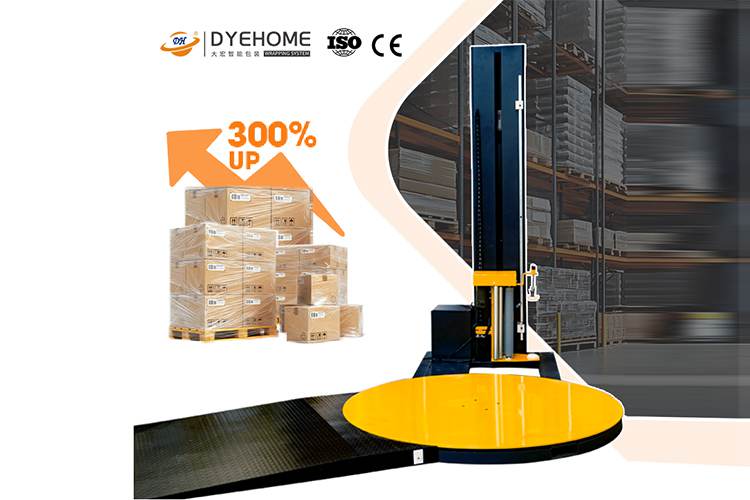
Pallet Stretch Wrapping Machine
view more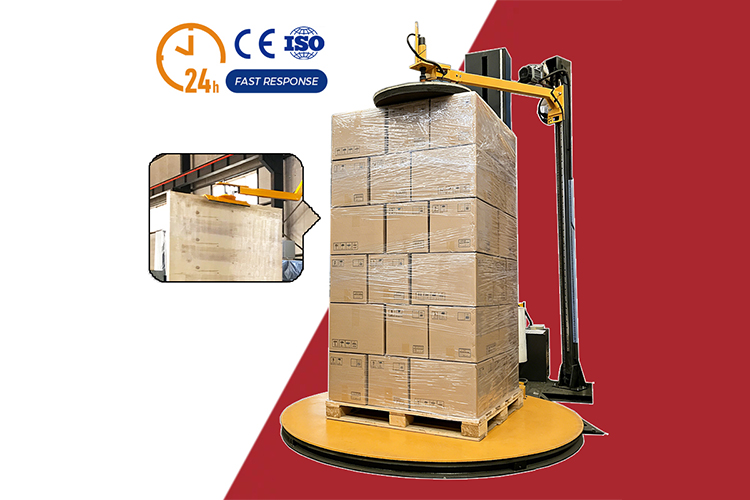
Top Press Pallet Stretch Wrapping Machine
view more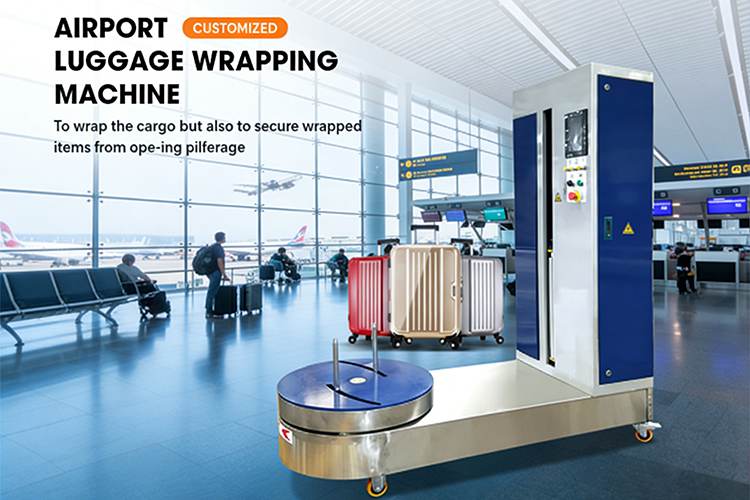
Luggage Wrapping Machine for Airports
view more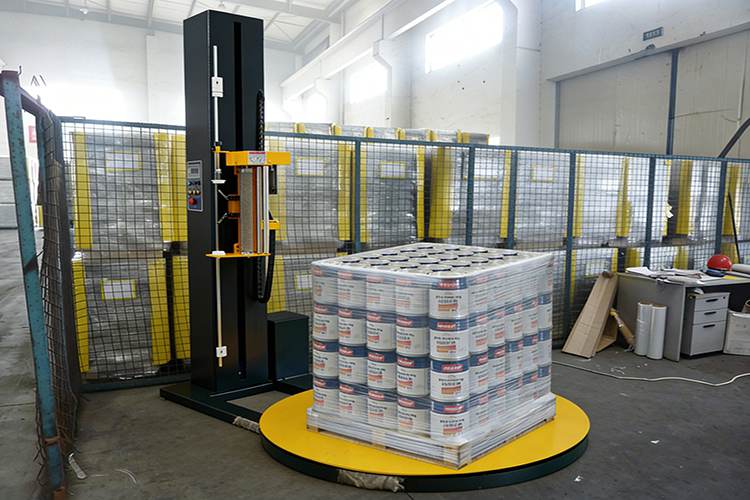
Pallet Stretch Wrapping Machine for Canned Goods
view more
Airport Self-Service Luggage Wrapping Machine
view more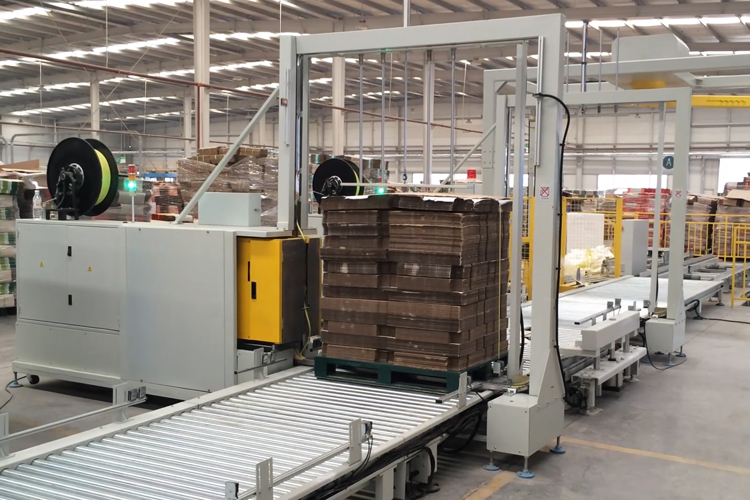
Automated film wrapping and packaging equipment
view more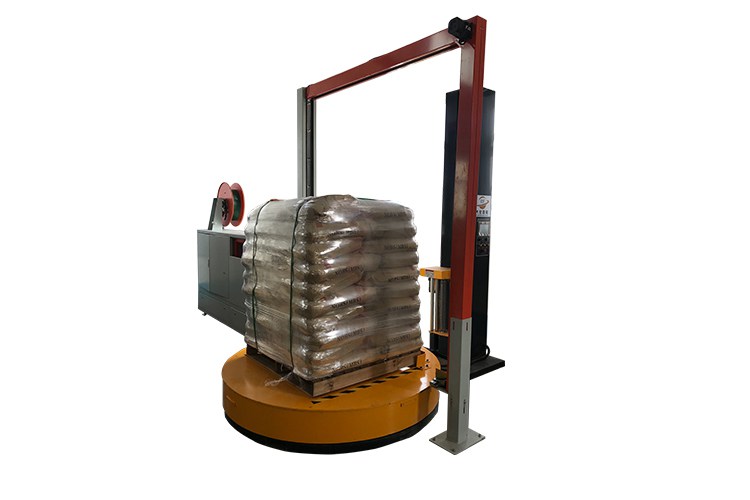
Sword-piercing baler and wrapping machine
view more
Pallet packaging equipment
view more
 Shandong Dyehome Intelligent Equipment Co.,Ltd
Phone:0086-17362172587
Whatsapp:+8617362172587
Email:machinedyehome@gmail.com
Add:Building 62, 3000 Meili East Road, DmiPark, Wujiapu Street, Huaiyin District, Jinan City,Shandong Province
Jinan Jiasen Packaging Equipment Co., LtdPhone:0086-15665802370
Add:High-end Equipment Manufacturing Industrial Park, East Industrial New Town, Ancheng Town, Pingyin County, Jinan City, Shandong Province
Shandong Golden Pack Intelligent Equipment Co.,LtdPhone:0086-15662690213
Add:High-end Equipment Manufacturing Industrial Park, East Industrial New Town, Ancheng Town, Pingyin County, Jinan City, Shandong Province
YoursIndustry
OurSolutions
OurServices
OurInformation