

Pallet Inline Stretch Wrapping Machine Automatically Integrates with Conveyors to Boost Pallet Packing Efficiency
Date: 2025-12-03Id:447Views:
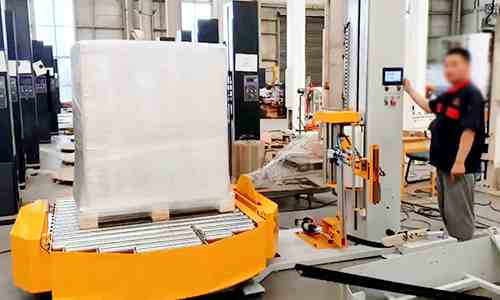
Line speed increases require packaging to keep pace
In industries like food & beverage, chemical raw materials, paper processing and building materials, palletized outbound shipments are routine and production rhythms continue to accelerate. However, packaging areas often lag—manual wrapping or single-station semi-automatic machines cannot match line takt. When pallets continuously arrive at the packing station, slow packaging causes backlog and disrupts forklift routing. The inline pallet wrapper follows a “continuous in → auto-detect → auto-wrap → auto-out” model to create a through-flow packaging process, keeping pallets moving from finished goods to dispatch.
Structural features: through-conveyor eliminates secondary handling
Inline pallet wrappers use roller or slat conveyors so pallets enter the wrapping zone and are wrapped in place without repeated forklift transfers. This design reduces manual labor and alleviates congestion from forklifts entering the packing area. The wrapping station typically comprises a turntable or slewing bearing, film carriage system and auto-sensing unit, allowing signal integration for automatic routing, entry and exit—improving throughput especially in high-output, steady-takt workshops.
Automatic sensing and wrapping strategies improve consistency
Inline wrappers feature photoelectric height detection to automatically identify pallet height and execute programmed wrapping trajectories. Parameters for bottom/top reinforcement rounds, carriage speed and film tension can be set to match different products. Pre-stretch carriages improve film conformity, ensuring tight adhesion at pallet corners and reducing film loosening during transport. For irregularly shaped or unevenly stacked loads, pre-stretch improves overall tension and produces more standardized packaging.
Adapts to multiple line layouts and automation needs
Inline pallet wrappers can be configured for different workshop layouts and process requirements: they can interface with front/back roller conveyors, gravity or chain slat lines, and integrate with scales, inspection or labeling units. For factories connecting to Warehouse Management Systems (WMS) or higher-level automation, signal communication enables line-level coordination to maintain pallet takt. Optional features—such as top-press (cap) functions, extended carriage travel, or larger turntable diameters—allow adaptation to light-load pallets, oversized pallets or high-stacked goods.
Application case: chemical plant eases line blockages with inline wrapping
A chemical plant expanding capacity found outbound pallet turnover increased but manual wrapping could not match the new takt, causing shipping backlogs. After deploying an inline pallet wrapper with roller conveyors and auto-sensing, pallets flowed continuously into the wrapper and packaging was completed without stoppage. The company reported no more peak-time backlog; packaging appearance was more uniform and transport stability improved; forklift routing smoothed and waiting times dropped; and auto film cutting reduced manual involvement—raising overall takt. This case shows inline wrapping’s strong impact on high-capacity factories’ packaging ability.
Conclusion: inline wrapping as a key factory linkage
With the widespread adoption of palletized transport and rising automation levels, inline pallet wrapping machines are more than wrapping devices: they are essential connectors between upstream and downstream processes. Their stable takt, auto-sensing, pre-stretch wrapping and through-conveyor design standardize the packaging process and help optimize shop-floor logistics. For companies seeking higher packaging efficiency and outbound capacity without increasing labor, inline wrappers are an important upgrade for packaging lines.
Related
products
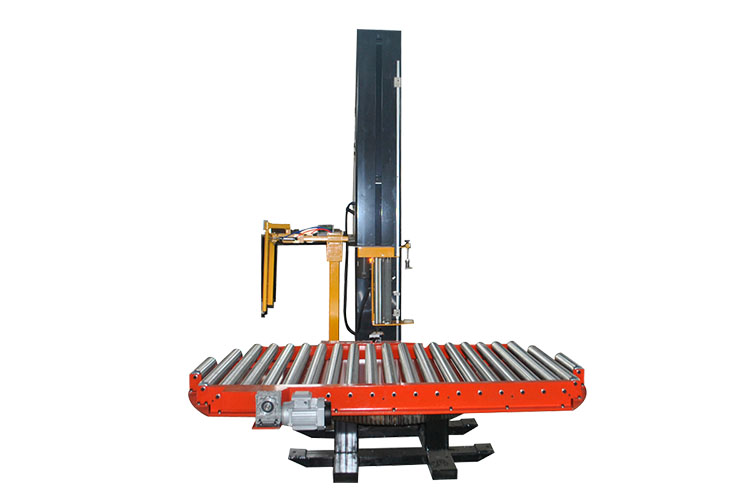
Online wrapping intelligent packaging machine
view more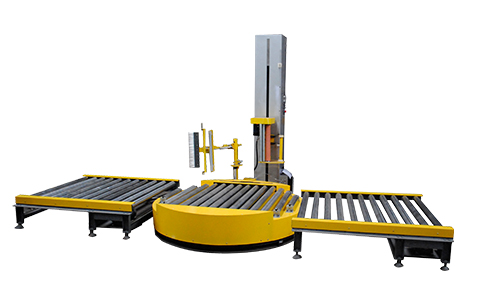
online pallet wrapping machine
view more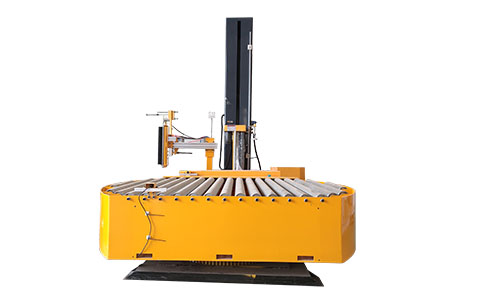
Automatic online Pallet Film Wrapper
view more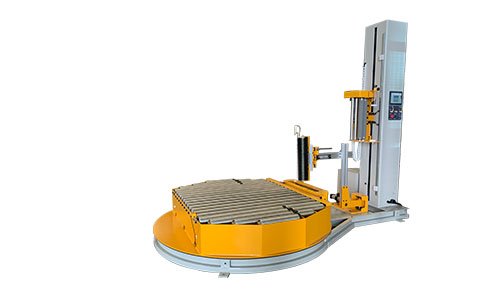
pre-stretching online wrapping machine
view more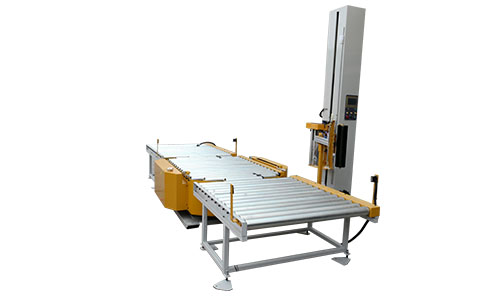
online stretch film wrapping machine with conveyor roller
view more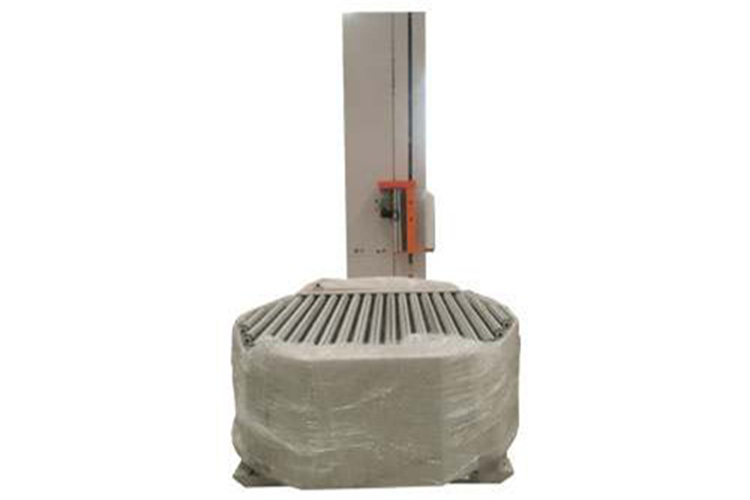
online stretch film wrapping machine with conveyor roller
view more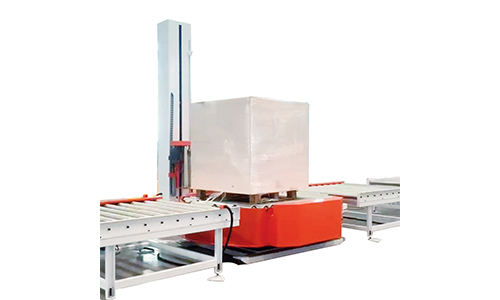
online wrapping machine plastic film
view more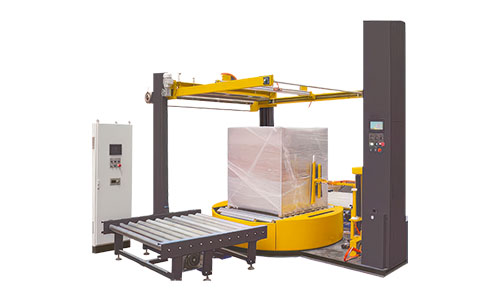
wrapping machine with top cover film
view more
 Shandong Dyehome Intelligent Equipment Co.,Ltd
Phone:0086-17362172587
Whatsapp:+8617362172587
Email:machinedyehome@gmail.com
Add:Building 62, 3000 Meili East Road, DmiPark, Wujiapu Street, Huaiyin District, Jinan City,Shandong Province
Jinan Jiasen Packaging Equipment Co., LtdPhone:0086-15665802370
Add:High-end Equipment Manufacturing Industrial Park, East Industrial New Town, Ancheng Town, Pingyin County, Jinan City, Shandong Province
Shandong Golden Pack Intelligent Equipment Co.,LtdPhone:0086-15662690213
Add:High-end Equipment Manufacturing Industrial Park, East Industrial New Town, Ancheng Town, Pingyin County, Jinan City, Shandong Province
YoursIndustry
OurSolutions
OurServices
OurInformation