

Need Both Weighing and Wrapping for Outbound Pallets? Automatic Weighing Stretch Wrapping Machine Completes Both Simultaneously
Date: 2026-01-28Id:512Views:
Accuracy Requirements for Weight Data in Outbound Packaging
Before dispatch, pallets often need weight verification. Traditional methods require separate weighing and wrapping steps, increasing labor and the risk of mismatched data due to additional handling. This can negatively impact outbound efficiency and inventory management accuracy.
Functional Structure of the Automatic Weighing Wrapping Machine
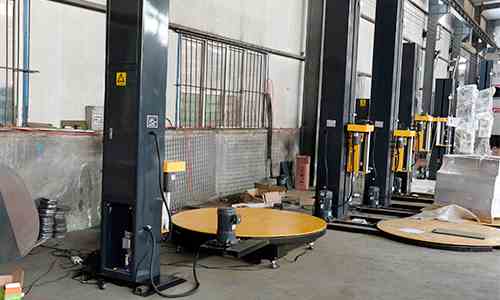
Based on standard pallet wrapping equipment, the machine integrates a weighing module into the wrapping station. Once the pallet enters the station, weight data is captured before or during wrapping. The turntable supports the load while enabling synchronized weighing and wrapping operations.
Impact of Stretch Wrapping on Pallet Stability
Using a pre-stretch film system, the machine applies stretch film evenly around the pallet, ensuring tight load containment while reducing film consumption. Uniform wrapping improves load stability and minimizes the risk of loosening during transport and storage.
Practical Use of Weight Data in Outbound Management
By completing weighing at the wrapping station, companies can reduce the need for separate weighing equipment. Weight data supports outbound verification, shipment records, and internal management, providing a reliable basis for reconciliation and statistical analysis.
Adaptability to Different Pallet and Load Specifications
The machine can be configured according to pallet dimensions, load capacity, and wrapping height. It is suitable for various palletized goods, including regularly boxed products and irregularly stacked loads, through adjustable wrapping parameters.
Application Position in Warehousing and Production Lines
Typically installed in finished goods packaging areas or outbound lanes, the machine can operate independently or be combined with conveyors, printers, and scanning systems to form a complete outbound packaging process, improving overall operational efficiency.
Related
products
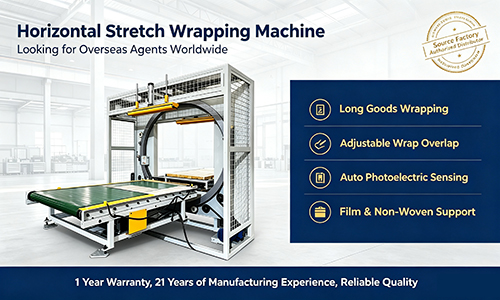
Horizontal Stretch Wrapping Machine SP1000 for Pipes
view more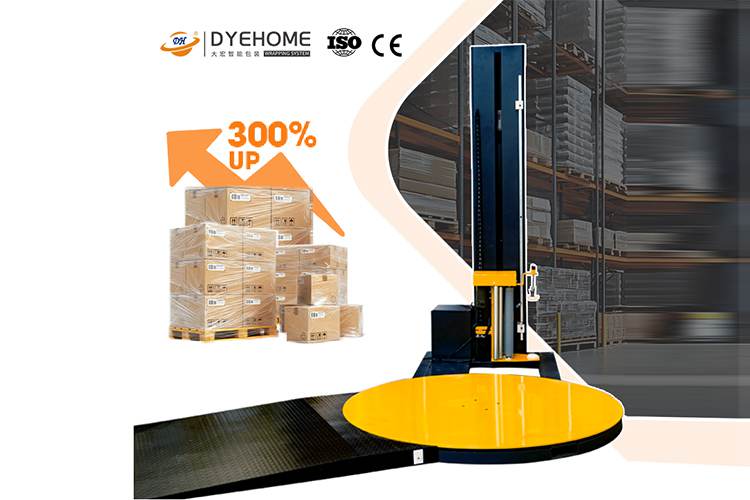
Pallet Stretch Wrapping Machine
view more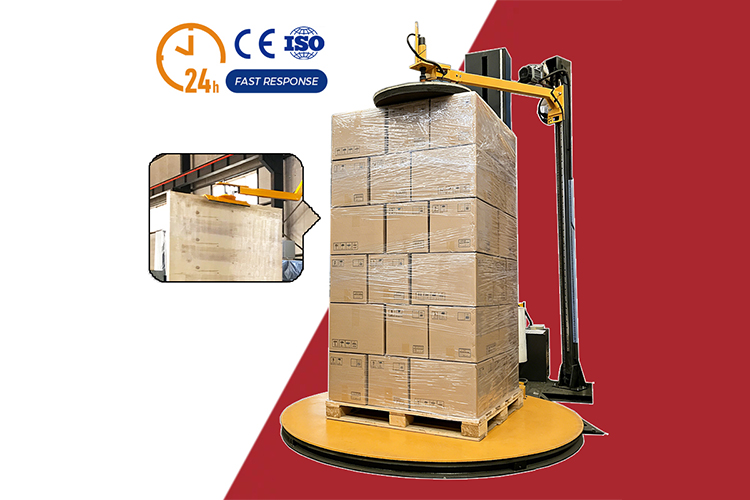
Top Press Pallet Stretch Wrapping Machine
view more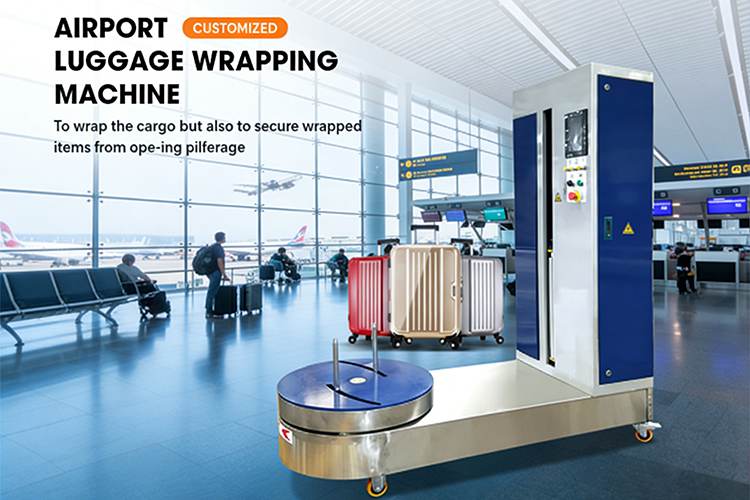
Luggage Wrapping Machine for Airports
view more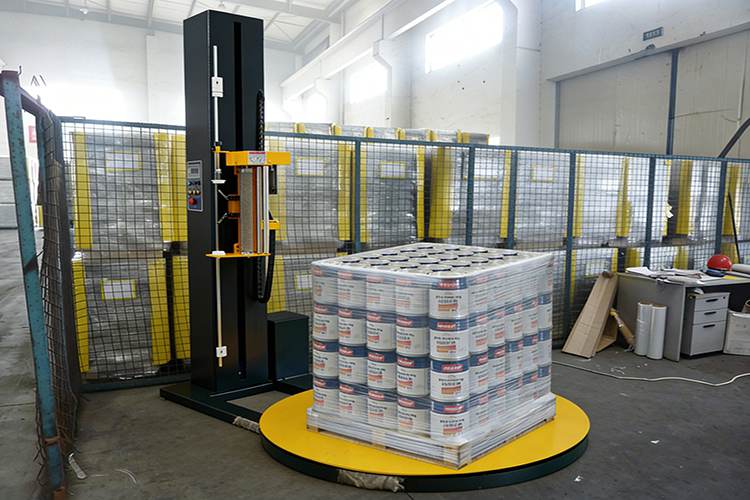
Pallet Stretch Wrapping Machine for Canned Goods
view more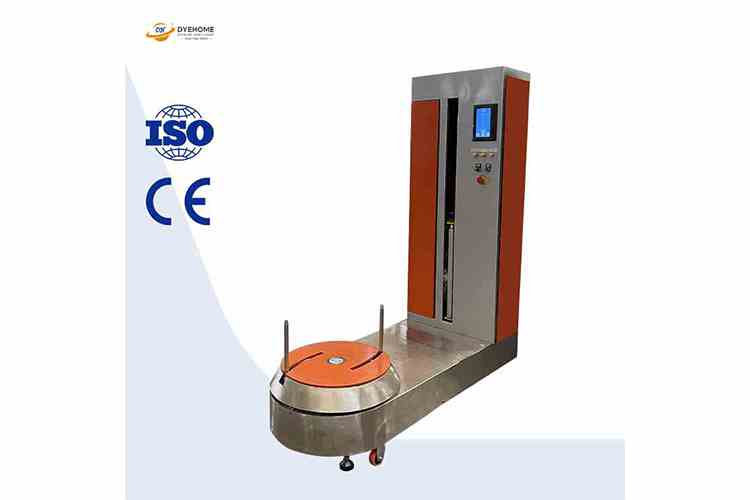
Airport Self-Service Luggage Wrapping Machine
view more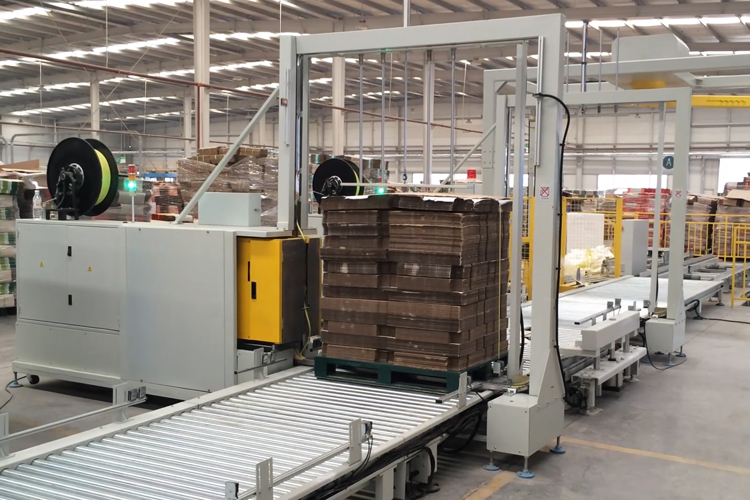
Automated film wrapping and packaging equipment
view more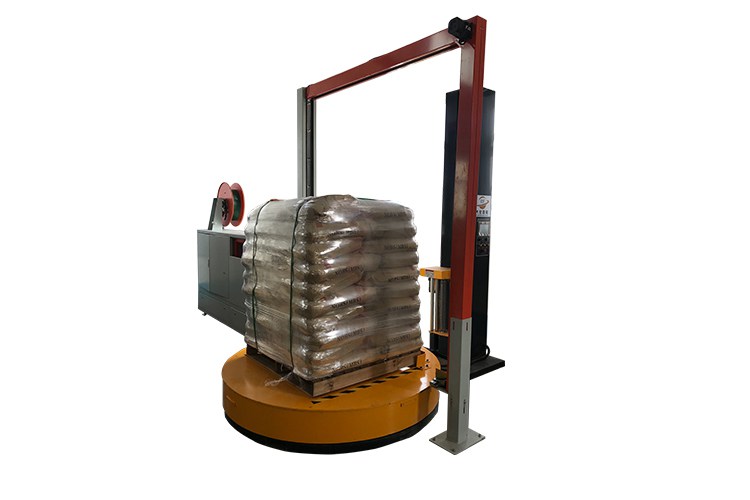
Sword-piercing baler and wrapping machine
view more
 Shandong Dyehome Intelligent Equipment Co.,Ltd
Phone:0086-17362172587
Whatsapp:+8617362172587
Email:machinedyehome@gmail.com
Add:Building 62, 3000 Meili East Road, DmiPark, Wujiapu Street, Huaiyin District, Jinan City,Shandong Province
Jinan Jiasen Packaging Equipment Co., LtdPhone:0086-15665802370
Add:High-end Equipment Manufacturing Industrial Park, East Industrial New Town, Ancheng Town, Pingyin County, Jinan City, Shandong Province
Shandong Golden Pack Intelligent Equipment Co.,LtdPhone:0086-15662690213
Add:High-end Equipment Manufacturing Industrial Park, East Industrial New Town, Ancheng Town, Pingyin County, Jinan City, Shandong Province
YoursIndustry
OurSolutions
OurServices
OurInformation