

Inconsistent Pallet Shipment Packaging?Pallet Stretch Wrapping Machine Improves Outbound Standardization
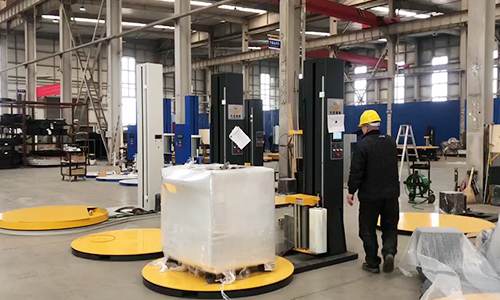
Enhancing Standardized Outbound Packaging
In manufacturing enterprises, pallet packaging affects both transportation safety and customer perception. Manual wrapping often results in uneven tension and inconsistent appearance.
Automated pallet wrapping machines provide uniform and standardized packaging through programmed control.
Ensuring Consistent Results for Every Pallet
Manual wrapping depends on operator habits, leading to inconsistent wrapping layers and tension. During peak production, maintaining packaging standards becomes difficult.
Automated machines preset bottom reinforcement, top reinforcement, and total wrapping layers. The synchronized turntable rotation and carriage lifting ensure uniform film application, eliminating human variability.
Improved Structural Stability During Transportation
Insufficient pallet fixation may lead to loosened corners or carton displacement during long-distance transportation.
By reinforcing bottom and top areas and controlling film tension, the pallet stretch wrapper enhances overall load integrity and reduces shifting risks caused by vibration.
Matching Faster Production Rhythms
As production speed increases, manual packaging struggles to keep up, causing pallet accumulation. Automated wrapping equipment provides predictable cycle times and supports production rhythm planning.
For factories already equipped with palletizers, the wrapper can be positioned at the end of the line, reducing forklift transportation and improving internal logistics efficiency.
Adaptable Across Multiple Industries
Pallet stretch wrapping machines are widely used in food and beverage, chemical materials, electronics, building materials, and paper industries. Parameters can be adjusted for bagged, boxed, or drum-packed products.
The compact structure suits both small and large facilities.
Upgrade Value for End-User Factories
Pallet packaging reflects a company’s management level and brand image. Introducing automated stretch wrapping equipment enhances packaging standardization, operational stability, and efficiency.
With rising labor costs and higher customer expectations, automated wrapping systems have become a key component of modern outbound management.
products
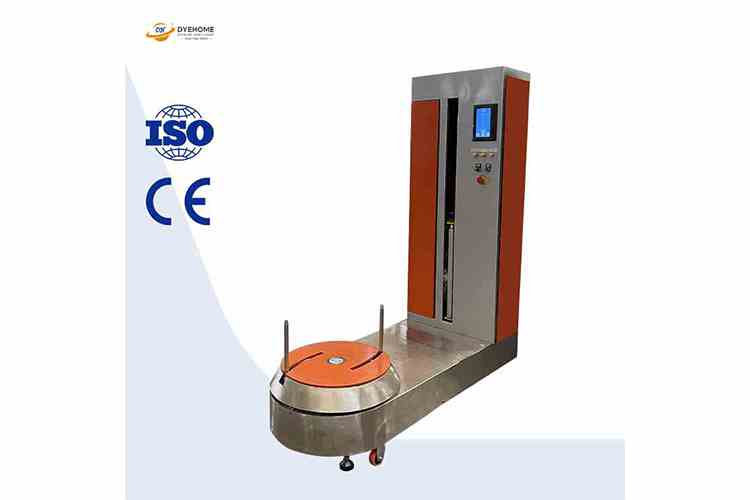
Airport Self-Service Luggage Wrapping Machine
view more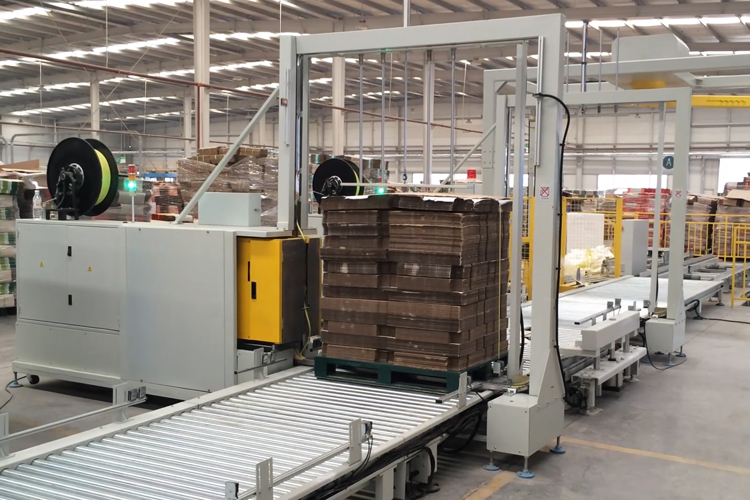
Automated film wrapping and packaging equipment
view more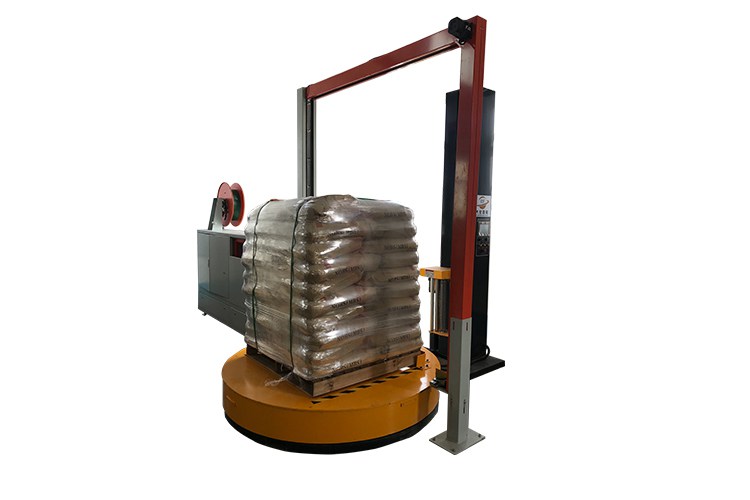
Sword-piercing baler and wrapping machine
view more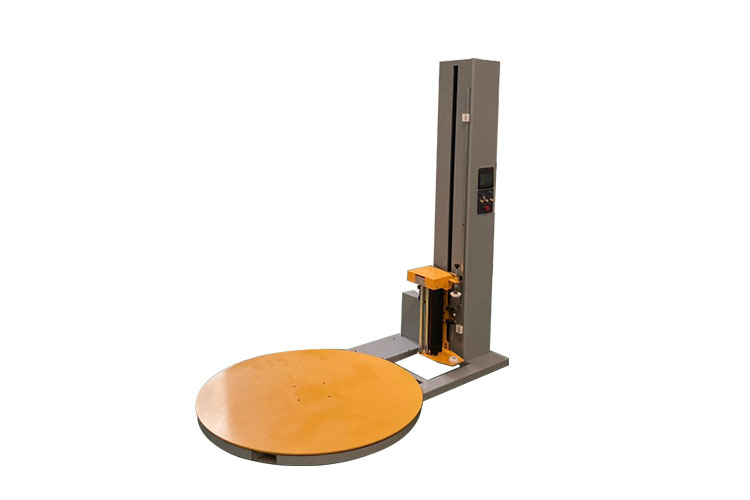
Pallet packaging equipment
view more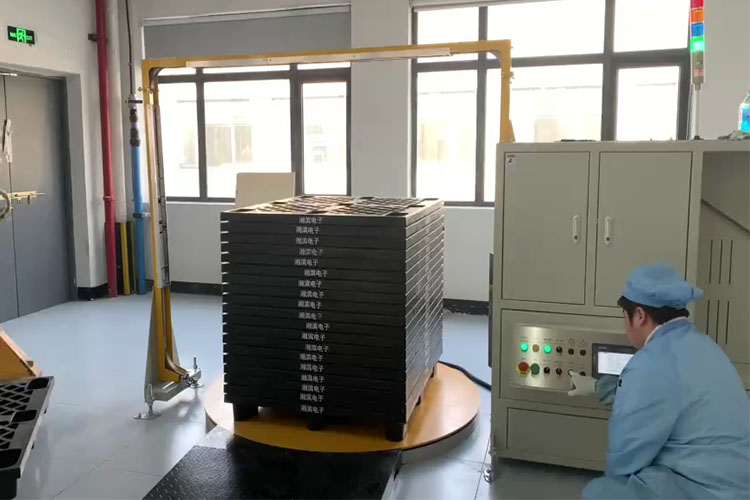
Fully automatic sword-piercing baler
view more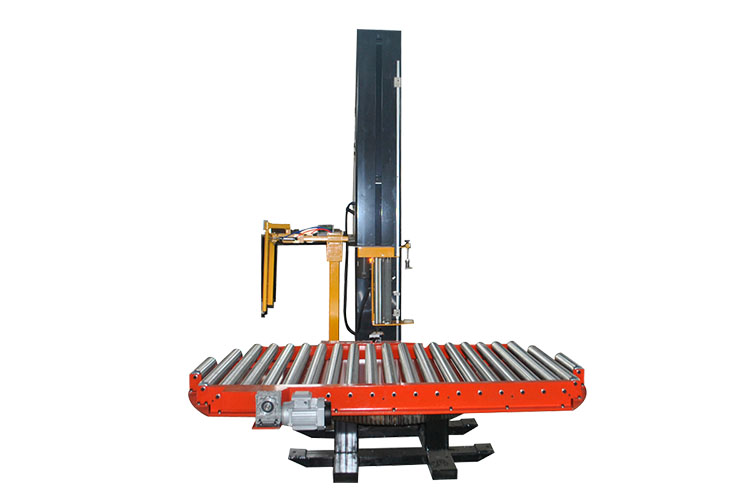
Online wrapping intelligent packaging machine
view more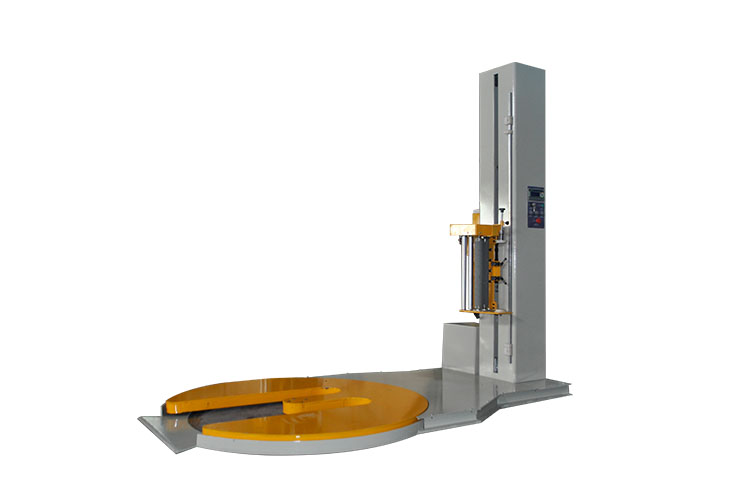
M-type pallet wrapping machine
view more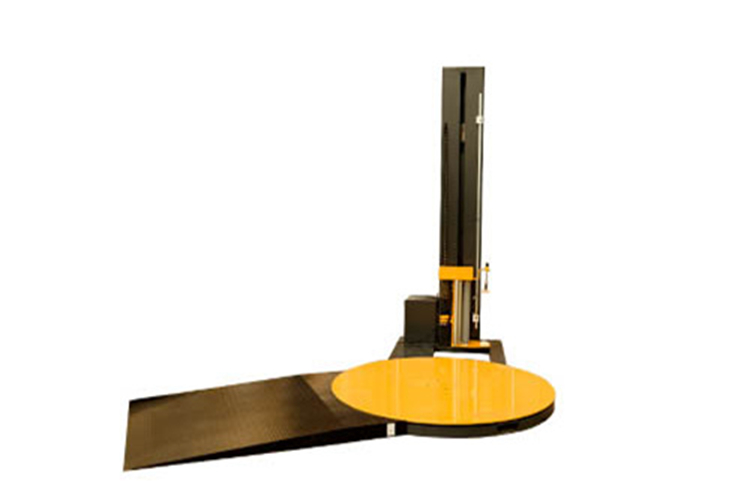
Stretch film wrapping machine
view more
 Shandong Dyehome Intelligent Equipment Co.,Ltd
Phone:0086-17362172587
Whatsapp:+8617362172587
Email:machinedyehome@gmail.com
Add:Building 62, 3000 Meili East Road, DmiPark, Wujiapu Street, Huaiyin District, Jinan City,Shandong Province
Jinan Jiasen Packaging Equipment Co., LtdPhone:0086-15665802370
Add:High-end Equipment Manufacturing Industrial Park, East Industrial New Town, Ancheng Town, Pingyin County, Jinan City, Shandong Province
Shandong Golden Pack Intelligent Equipment Co.,LtdPhone:0086-15662690213
Add:High-end Equipment Manufacturing Industrial Park, East Industrial New Town, Ancheng Town, Pingyin County, Jinan City, Shandong Province
YoursIndustry
OurSolutions
OurServices
OurInformation