

How Pallet Stretch Wrapping and Top Covering Machines Achieve Integrated Dust and Moisture Protection
From Basic Wrapping to Full Protection
As logistics and warehousing operations become more demanding, packaging requirements are evolving.
Traditional stretch wrapping focuses on side protection, leaving the top exposed to dust and moisture.
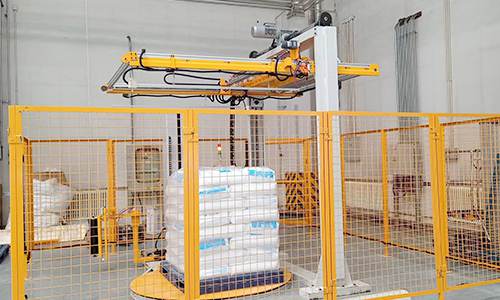
Pallet wrapping machines with top covering functions address this limitation by adding an automated top film application process, achieving complete load protection.
Integrated Wrapping and Top Covering Process
The system operates in two stages:
First, the machine wraps the load sides using stretch film to stabilize the pallet.
Then, sensors detect the load height and activate the top covering unit, placing a film sheet over the load. Subsequent wrapping secures the top film, achieving six-sided protection.
This fully automated process minimizes manual intervention and ensures consistent results.
Multi-Module Design for Stable Operation
These machines typically include a PLC control system, turntable or rotary arm system, and film carriage.
Parameters such as wrapping layers and top covering cycles can be adjusted as needed.
The pre-stretch system improves film utilization and wrapping tightness, while stable lifting mechanisms ensure smooth operation during top covering.
Meeting Multi-Industry Packaging Requirements
This solution is widely used in food, beverage, chemical, electronics, and construction industries.
Top covering helps prevent dust contamination in food products, reduces moisture damage in chemical goods, and enhances overall packaging appearance for electronics.
Case: Standardized Packaging in Chemical Industry
A chemical manufacturer upgraded from manual top covering to an automated wrapping and covering system.
Previously, top film application was labor-intensive and inconsistent. After adopting the integrated machine, packaging efficiency improved, and all pallets achieved uniform protection.
Moisture-related issues decreased, and warehouse organization improved.
Driving Packaging Standardization
Pallet stretch wrapping and top covering machines represent a shift from partial to complete protection.
By combining automation with consistent performance, they enhance packaging reliability and operational efficiency—making them essential equipment for industries requiring high packaging standards.
products
Online wrapping intelligent packaging machine
view more
pallet film wrapping machine
view more
Top film wrapping machine
view more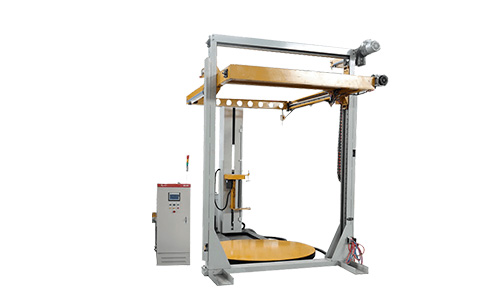
Pallet top laminating machine
view more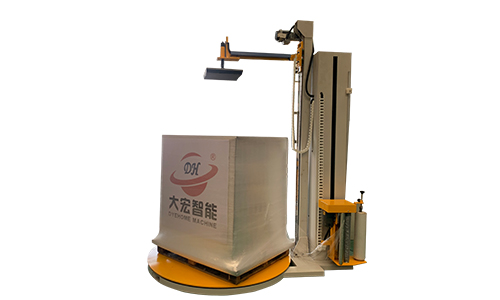
wrapping packaging machine with pressure plate
view more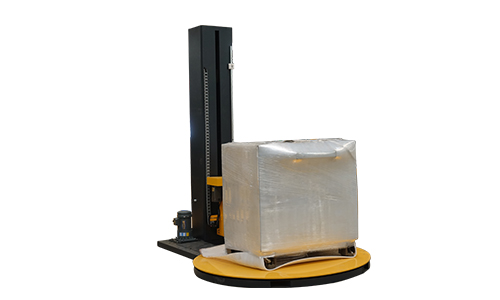
automatic pallet wrapping packaging machine
view more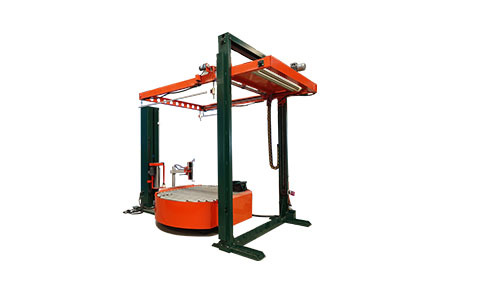
plastic wrapper with top sheeter
view more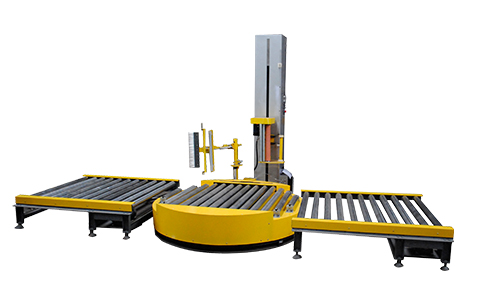
online tray wrapping winding machine
view more
 Shandong Dyehome Intelligent Equipment Co.,Ltd
Phone:0086-17362172587
Whatsapp:+8617362172587
Email:machinedyehome@gmail.com
Add:Building 62, 3000 Meili East Road, DmiPark, Wujiapu Street, Huaiyin District, Jinan City,Shandong Province
Jinan Jiasen Packaging Equipment Co., LtdPhone:0086-15665802370
Add:High-end Equipment Manufacturing Industrial Park, East Industrial New Town, Ancheng Town, Pingyin County, Jinan City, Shandong Province
Shandong Golden Pack Intelligent Equipment Co.,LtdPhone:0086-15662690213
Add:High-end Equipment Manufacturing Industrial Park, East Industrial New Town, Ancheng Town, Pingyin County, Jinan City, Shandong Province
YoursIndustry
OurSolutions
OurServices
OurInformation