

Horizontal Panel Stretch Wrapping Machine The horizontal panel stretch wrapping machine is an automated packaging solution designed for continuous wrapping of long and flat panel materials during conveying.
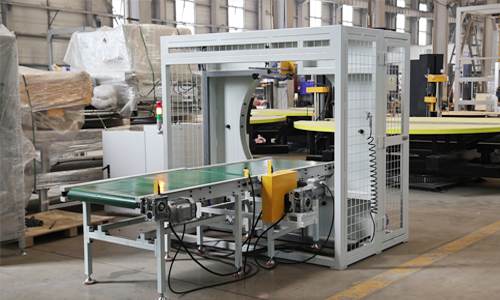
Transition to Continuous Packaging for Panel Products
In industries such as building materials, panels, and profiles, products are typically long or flat in structure. During transportation and storage, they are prone to surface scratches, dust contamination, and environmental impact. Traditional manual wrapping methods have limitations in efficiency and consistency, making it difficult to meet large-scale shipping demands.
By integrating with conveyor systems, the horizontal panel wrapping machine enables continuous wrapping during material transfer, ensuring a smoother and more efficient packaging process.
Ring Wrapping Mechanism Combined with Conveyor System
The machine mainly consists of a ring rotating system, conveying device, and film carriage. The rotating ring drives the wrapping material, while the panel moves forward at a constant speed on the conveyor, achieving synchronized conveying and wrapping.
The overall structure can be adjusted according to panel width and thickness, making it suitable for various product specifications.
Continuous Wrapping via Ring Rotation
During operation, panels enter the wrapping zone through the infeed conveyor. The rotating ring wraps stretch film around the panel in a spiral pattern.
By setting overlap ratios and rotation speed, the film is evenly distributed on the product surface, forming a continuous protective layer. After wrapping, panels are discharged via the outfeed conveyor, enabling uninterrupted operation.
Stable Packaging Through Automatic Control
The machine is typically equipped with a PLC control system to regulate rotation speed, conveyor speed, and wrapping layers.
Photoelectric sensors detect product position, enabling automatic start/stop and continuous operation. The film carriage tension control ensures stable film delivery, while optional automatic cutting systems reduce manual intervention.
Suitable for Batch Packaging of Long Panels
The horizontal panel wrapping machine provides continuous wrapping for long products, reducing surface damage and environmental exposure during transportation.
Compared with manual packaging, it offers stable operation and consistent wrapping results, making it ideal for mass production environments.
Widely Used in Building Materials and Profile Industries
This equipment is widely applied in industries such as building materials, aluminum profiles, steel plates, wooden boards, and plastic panels.
It is suitable for various long products and can be adjusted to accommodate different specifications.
Case: Automation Upgrade in a Building Materials Company
A building materials company previously relied on manual wrapping, facing issues of inconsistent quality and low efficiency.
After introducing the horizontal panel wrapping machine and integrating it with a conveyor line, panels are automatically wrapped during transfer. The system operates stably, improves consistency, reduces labor, and enhances overall shipping efficiency.
Optimizing Packaging for Long Products
The horizontal panel wrapping machine combines ring wrapping technology with conveyor systems to achieve continuous packaging.
It significantly improves efficiency, reduces manual labor, and ensures consistent packaging quality, making it ideal for enterprises seeking automation upgrades.
products
-
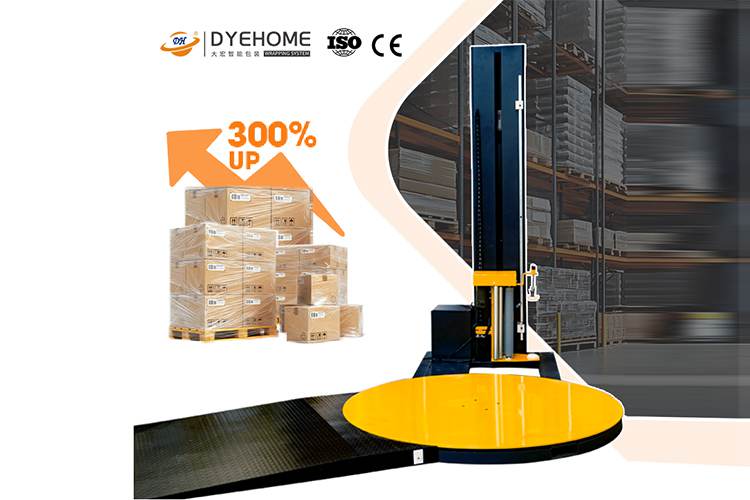
Pallet Stretch Wrapping Machine
view more -
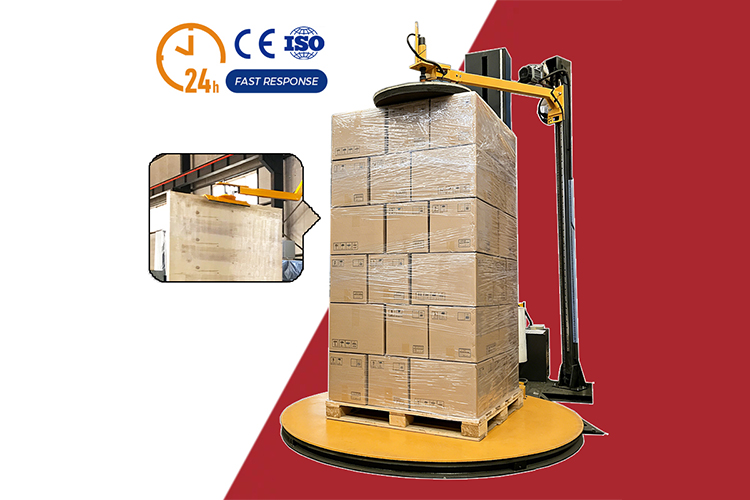
Top Press Pallet Stretch Wrapping Machine
view more -
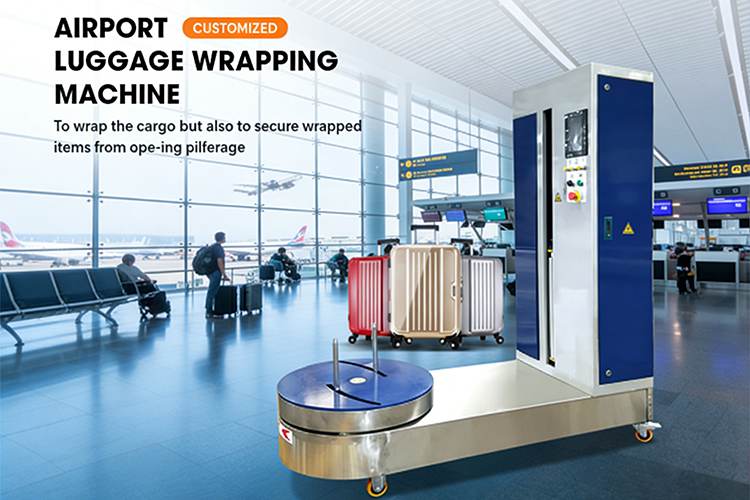
Luggage Wrapping Machine for Airports
view more -
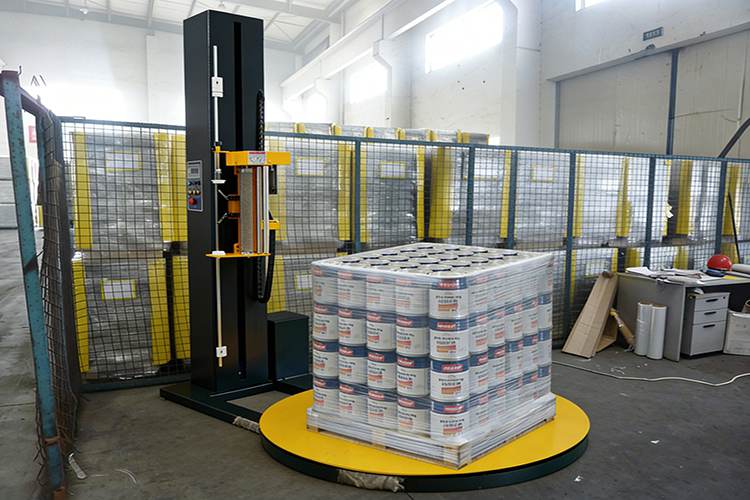
Pallet Stretch Wrapping Machine for Canned Goods
view more -
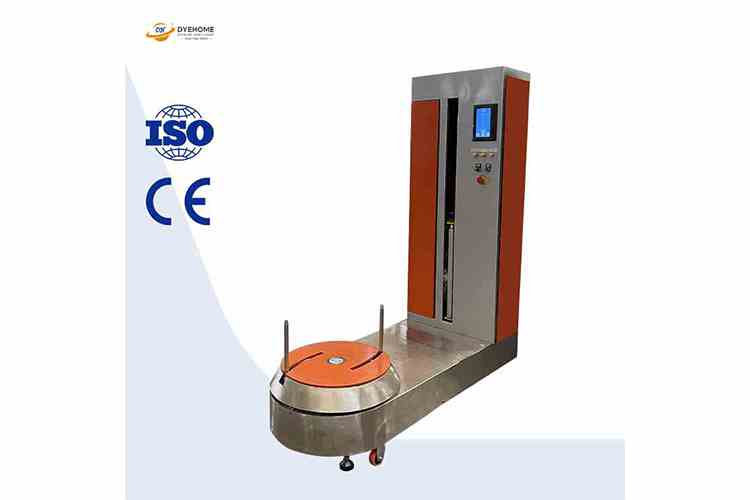
Airport Self-Service Luggage Wrapping Machine
view more -
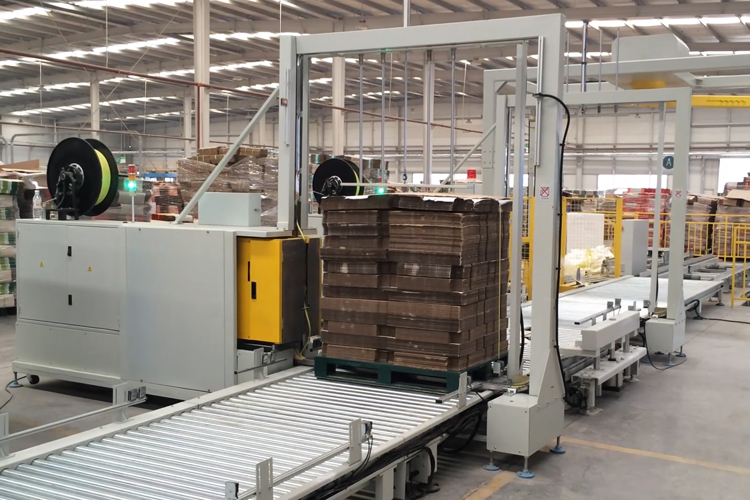
Automated film wrapping and packaging equipment
view more -
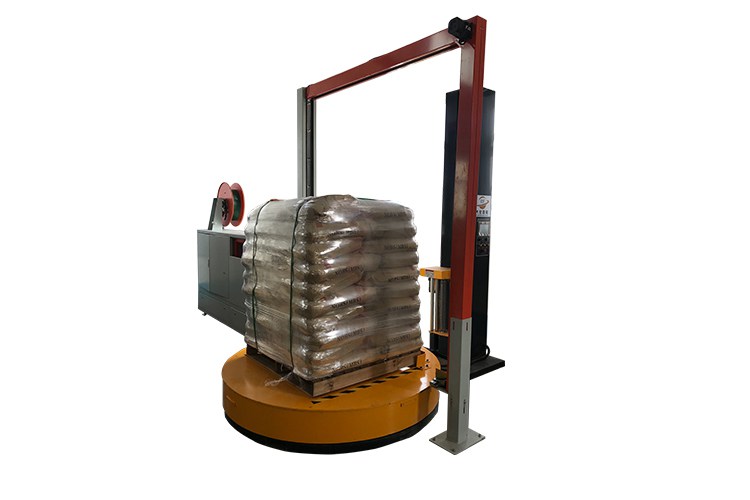
Sword-piercing baler and wrapping machine
view more -
Pallet packaging equipment
view more
-
 Shandong Dyehome Intelligent Equipment Co.,Ltd
Phone:0086-17362172587
Whatsapp:+8617362172587
Email:machinedyehome@gmail.com
Add:Building 62, 3000 Meili East Road, DmiPark, Wujiapu Street, Huaiyin District, Jinan City,Shandong Province
Jinan Jiasen Packaging Equipment Co., LtdPhone:0086-15665802370
Add:High-end Equipment Manufacturing Industrial Park, East Industrial New Town, Ancheng Town, Pingyin County, Jinan City, Shandong Province
Shandong Golden Pack Intelligent Equipment Co.,LtdPhone:0086-15662690213
Add:High-end Equipment Manufacturing Industrial Park, East Industrial New Town, Ancheng Town, Pingyin County, Jinan City, Shandong Province
-
YoursIndustry
-
OurSolutions
-
OurServices
-
OurInformation