

Automatic Palletizing and Wrapping Machine for Integrated Pallet Forming and Stretch Film Packaging
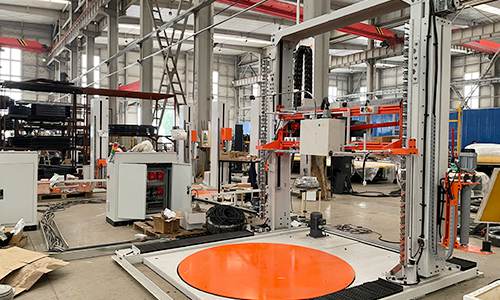
Integration Trend of Pallet Forming and Wrapping
In traditional outbound packaging processes, many companies still rely on “manual palletizing + standalone wrapping machines.” This approach often leads to fragmented workflows, inconsistent pallet structures, and unstable efficiency.
With the increasing demand for automation, automatic palletizing and wrapping machines are being widely adopted. By integrating pallet forming and wrapping into one system, the equipment enables a seamless process from product stacking to final wrapping, reducing intermediate steps and improving workflow continuity.
Modular Design of Palletizing and Wrapping Units
The machine typically consists of a palletizing unit and a wrapping unit, with optional conveyor systems.
The palletizing section arranges cartons or products onto pallets according to preset patterns, forming a stable pallet load. The wrapped pallet is then transferred into the wrapping zone, where stretch film is applied around the load.
Both units are synchronized through a centralized control system, allowing multiple operations to be completed within a single process.
Continuous Operation from Palletizing to Wrapping
During operation, products are fed into the palletizing area manually or via conveyors. The system completes stacking based on predefined logic to form standardized pallets.
Once palletizing is completed, the load is automatically conveyed to the wrapping station. The machine executes wrapping programs based on load height, applying multiple layers of stretch film for full coverage.
After wrapping, the pallet is discharged to the next stage, enabling continuous operation with minimal manual intervention.
Automated Control for Stable Performance
The machine is typically equipped with a PLC control system, coordinating palletizing and wrapping actions. Parameters such as stacking layers, wrapping turns, and cycle time can be adjusted according to product requirements.
Photoelectric sensors detect load position and height to maintain stable operation. The film carriage tension control ensures tight and consistent wrapping results.
Reduced Labor and Improved Consistency
By combining two processes into one system, the machine reduces manual handling and repetitive operations. Program-based control ensures consistent pallet structures and wrapping quality, helping companies establish standardized packaging processes.
It is particularly suitable for high-throughput environments requiring continuous outbound operations.
Wide Application Across Industries
This equipment is widely used in industries such as food & beverage, daily chemicals, building materials, and e-commerce warehousing.
- In food and beverage: automatic carton palletizing and wrapping
- In daily chemicals: multi-SKU pallet formation
- In building materials: bagged or boxed product palletizing
- In e-commerce: improved outbound efficiency and packaging consistency
Practical Application Case
A manufacturing company previously relied on separate palletizing and wrapping processes, resulting in inefficiencies and coordination issues.
After implementing the automatic palletizing and wrapping machine, the workflow became more streamlined. Pallet structures became more uniform, wrapping quality improved, and overall outbound efficiency increased while reducing labor dependency.
Conclusion
The automatic palletizing and wrapping machine integrates pallet forming and wrapping into a unified process. It enhances efficiency, reduces labor involvement, and improves packaging consistency, making it suitable for enterprises with high automation and throughput requirements.
products
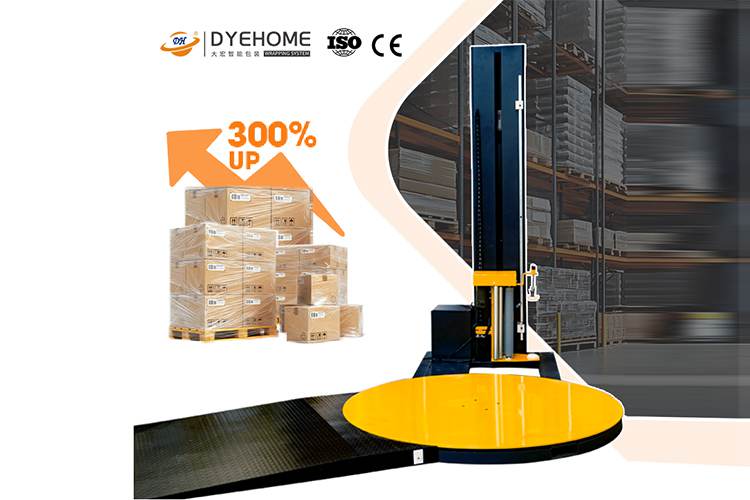
Pallet Stretch Wrapping Machine
view more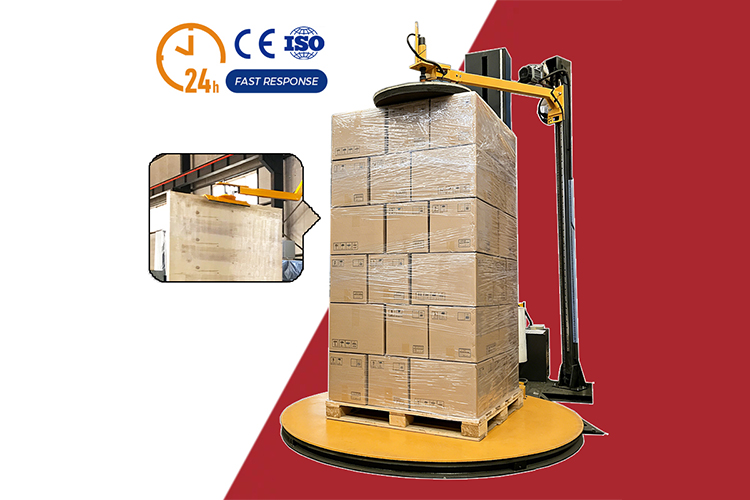
Top Press Pallet Stretch Wrapping Machine
view more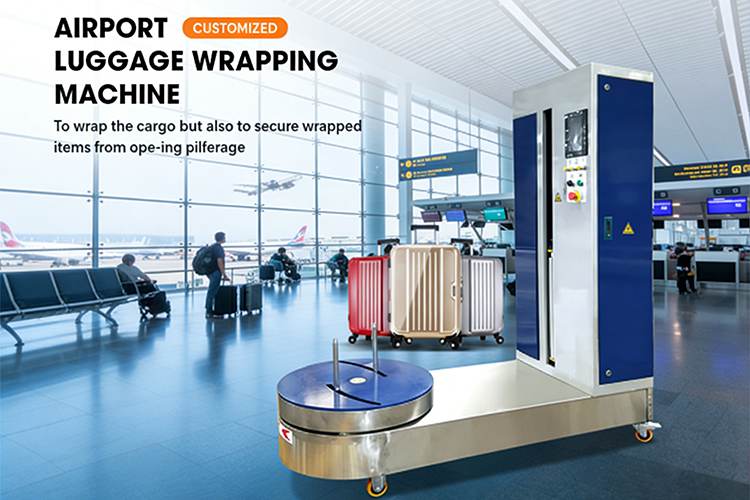
Luggage Wrapping Machine for Airports
view more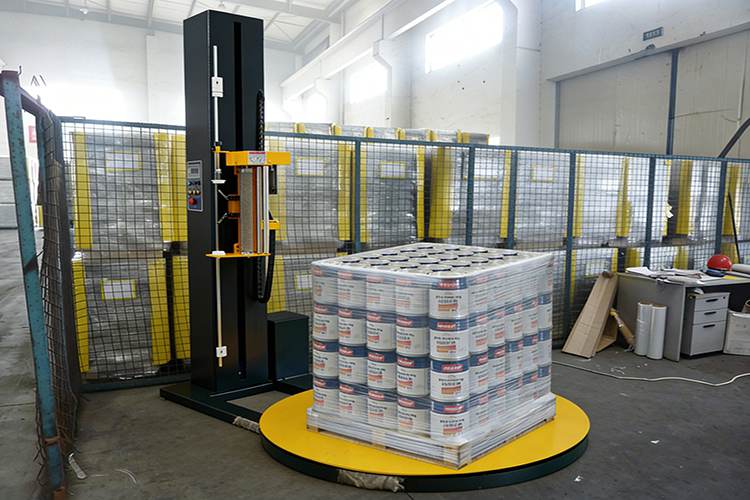
Pallet Stretch Wrapping Machine for Canned Goods
view more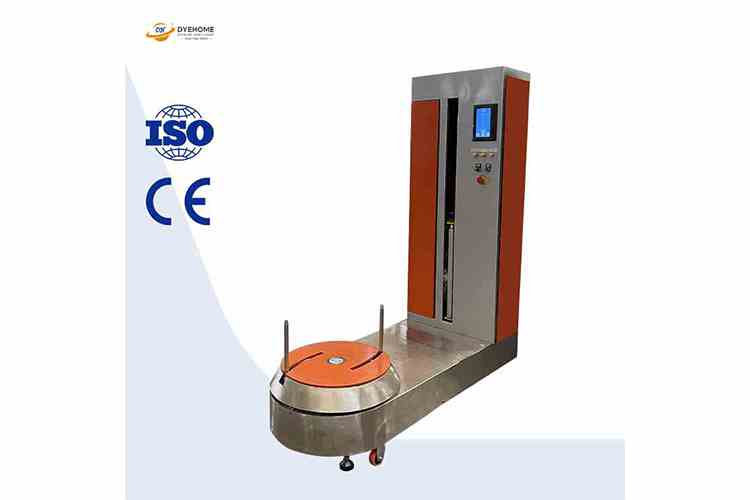
Airport Self-Service Luggage Wrapping Machine
view more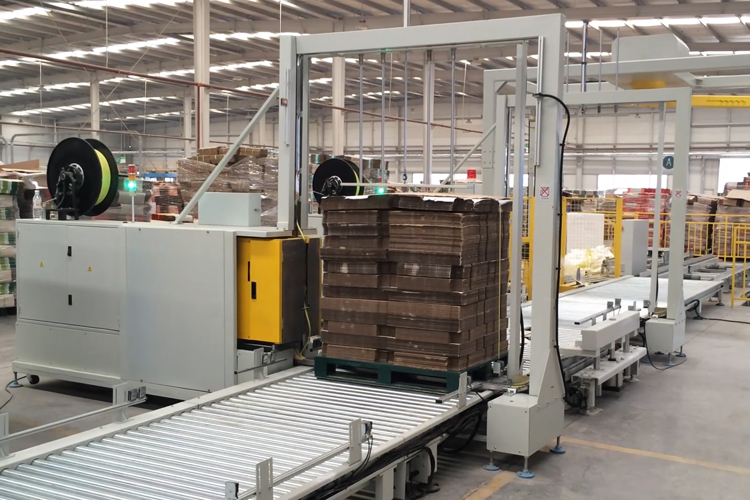
Automated film wrapping and packaging equipment
view more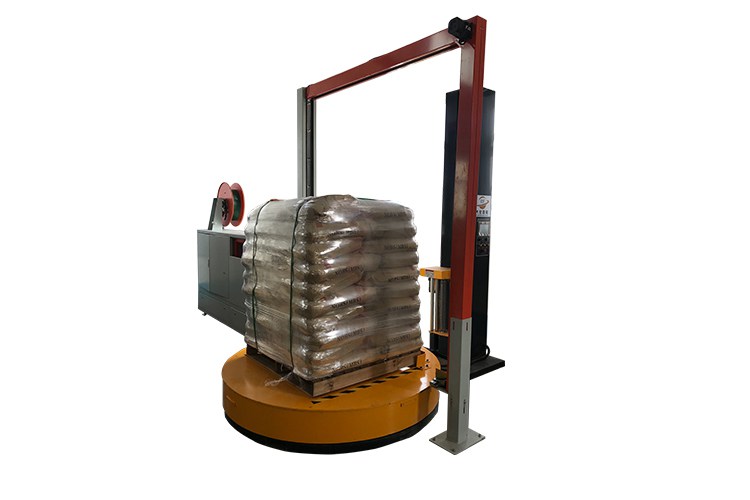
Sword-piercing baler and wrapping machine
view more
Pallet packaging equipment
view more
 Shandong Dyehome Intelligent Equipment Co.,Ltd
Phone:0086-17362172587
Whatsapp:+8617362172587
Email:machinedyehome@gmail.com
Add:Building 62, 3000 Meili East Road, DmiPark, Wujiapu Street, Huaiyin District, Jinan City,Shandong Province
Jinan Jiasen Packaging Equipment Co., LtdPhone:0086-15665802370
Add:High-end Equipment Manufacturing Industrial Park, East Industrial New Town, Ancheng Town, Pingyin County, Jinan City, Shandong Province
Shandong Golden Pack Intelligent Equipment Co.,LtdPhone:0086-15662690213
Add:High-end Equipment Manufacturing Industrial Park, East Industrial New Town, Ancheng Town, Pingyin County, Jinan City, Shandong Province
YoursIndustry
OurSolutions
OurServices
OurInformation