

Automatic Pallet Wrapping Machines Are Becoming the Preferred Choice for Factories Facing Pallet Load Instability
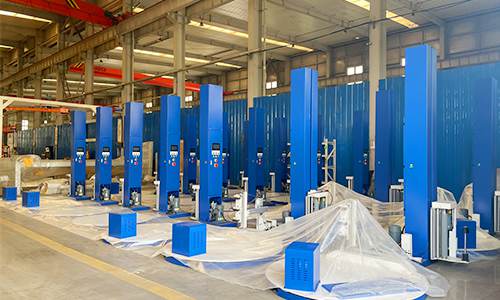
Increasing Shipping Volume Makes Stable Packaging More Important
In logistics warehouses, manufacturing plants, and e-commerce shipping centers, pallet transportation stability has become increasingly important.
Many companies experience issues such as loose pallets, unstable wrapping, transportation collapse, and low manual packaging efficiency during daily shipping operations. As shipment volumes grow, traditional manual wrapping methods can no longer meet continuous packaging requirements.
Previously, many factories relied on workers manually wrapping stretch film around pallets. This method was not only slow but also inconsistent because each operator used different wrapping techniques.
Some pallet loads may appear stable inside warehouses but become unstable after long-distance transportation and repeated loading and unloading, eventually leading to collapsed pallets, tilted products, or damaged outer packaging.
To improve shipping stability, more companies are introducing automatic pallet wrapping machines to enhance overall packaging efficiency.
Why Manual Wrapping Is No Longer Sufficient
When shipment volumes were relatively small, manual wrapping could still meet operational needs. However, as warehouse capacity and order volume increase, the disadvantages of manual packaging become more obvious.
First is the efficiency issue. Workers must repeatedly walk around pallets while wrapping film, resulting in high labor intensity and inconsistent packaging speed depending on operator experience.
During peak shipping seasons, packaging operations often fail to keep up with delivery schedules.
Second is packaging inconsistency. Some pallets are wrapped too loosely, causing instability during transportation, while others are wrapped too tightly, leading to product deformation.
For beverage products, carton packaging, e-commerce goods, and chemical products, unstable packaging can significantly increase transportation losses.
In addition, manual packaging typically results in higher stretch film waste. Although the extra film consumption may appear minimal on a daily basis, long-term material costs can become substantial.
How Pallet Wrapping Machines Improve Packaging Stability
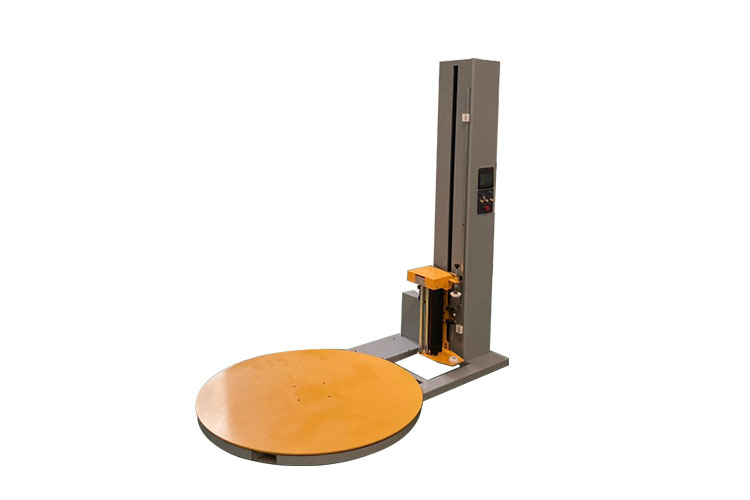
Pallet wrapping machines mainly use rotating turntables combined with automatic film carriage systems to fully wrap pallet loads.
The equipment automatically adjusts wrapping positions according to pallet height, ensuring more uniform film coverage and improved load stability.
For companies relying heavily on pallet transportation, the biggest advantage of automatic wrapping is not simply labor savings, but the ability to standardize packaging quality.
Stable pallet packaging helps reduce cargo movement during transportation and improves shipping safety throughout logistics operations.
Compared with manual wrapping, automated equipment can consistently maintain uniform packaging results, making it more suitable for long-term continuous operation.
Industries Suitable for Pallet Wrapping Machines
Today, pallet wrapping machines are widely used in logistics warehousing, food and beverage, chemical, building materials, e-commerce, and manufacturing industries.
- The food and beverage industry typically requires clean packaging appearance and stable transportation protection.
- Chemical and building material industries focus more on load stability for heavy pallet transportation.
- E-commerce warehouses prioritize fast packaging efficiency during peak order periods.
- Manufacturing companies increasingly require wrapping machines capable of integrating with conveyor systems for automated packaging lines.
Companies Are Now More Concerned About Long-Term Equipment Stability
When customers initially inquire about wrapping equipment, they often ask about price first. However, the final purchasing decision usually depends on whether the equipment can maintain long-term stable operation.
Factories are more concerned about machine reliability, maintenance convenience, and labor reduction capabilities.
Distributors focus on whether the equipment is easy to sell and whether after-sales maintenance pressure remains manageable.
Automation integrators pay closer attention to system compatibility, including integration with conveyor lines, strapping machines, and top-sheet covering systems.
As a result, more companies are now evaluating complete packaging solutions instead of standalone machines.
Automation Is Becoming the Future of Packaging
As labor costs continue to rise and logistics efficiency requirements increase, more businesses are optimizing shipping operations through automated packaging equipment.
Pallet wrapping machines not only improve packaging efficiency but also reduce inconsistent wrapping quality and enhance transportation stability.
For companies with large-scale shipping demands, automated packaging is gradually evolving from an optional upgrade into a critical part of operational efficiency improvement.
Especially in logistics warehousing and manufacturing industries, automatic stretch wrapping systems are steadily replacing traditional manual packaging methods.
products
-
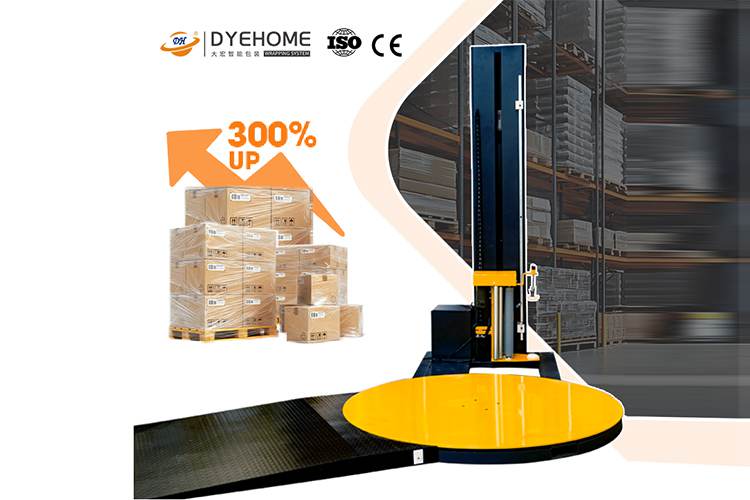
Pallet Stretch Wrapping Machine
view more -
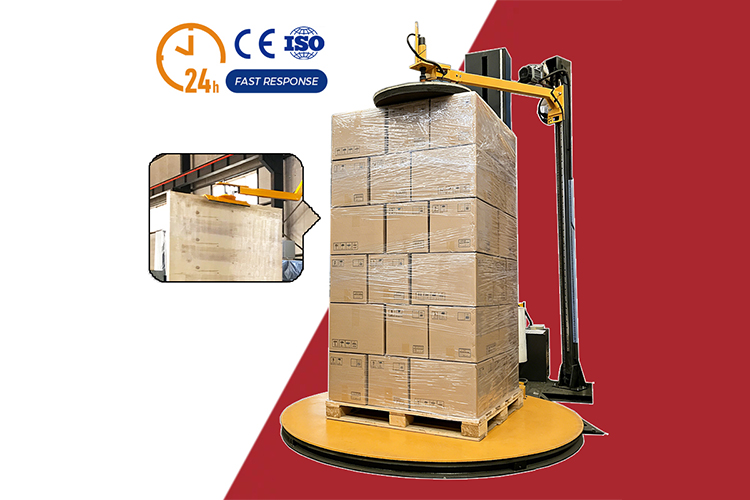
Top Press Pallet Stretch Wrapping Machine
view more -
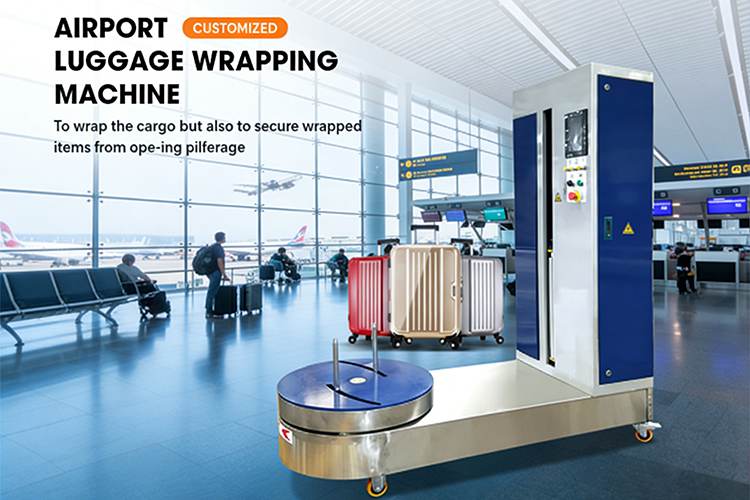
Luggage Wrapping Machine for Airports
view more -
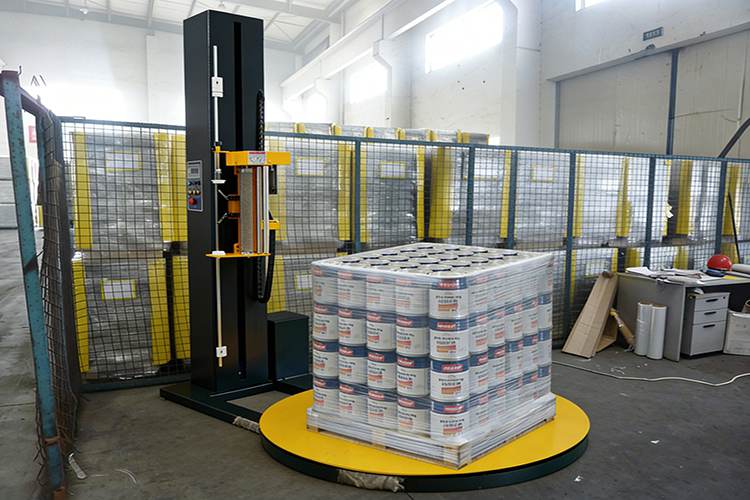
Pallet Stretch Wrapping Machine for Canned Goods
view more -
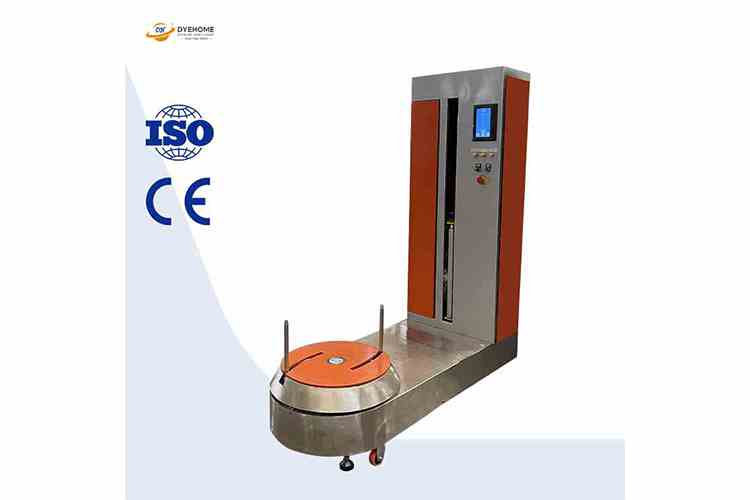
Airport Self-Service Luggage Wrapping Machine
view more -
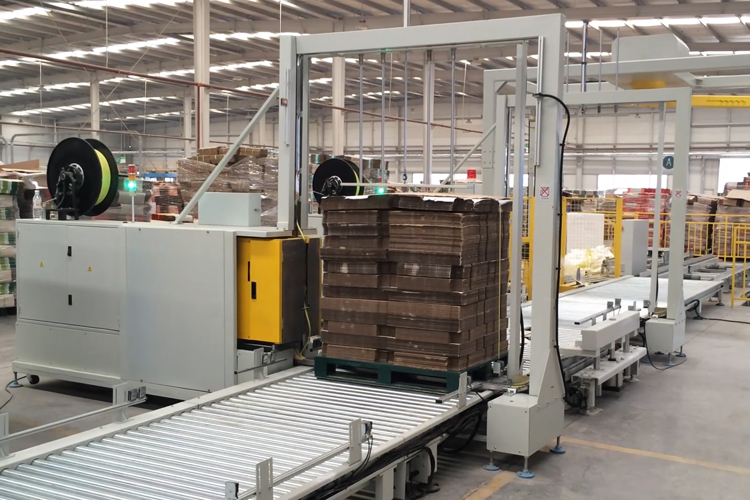
Automated film wrapping and packaging equipment
view more -
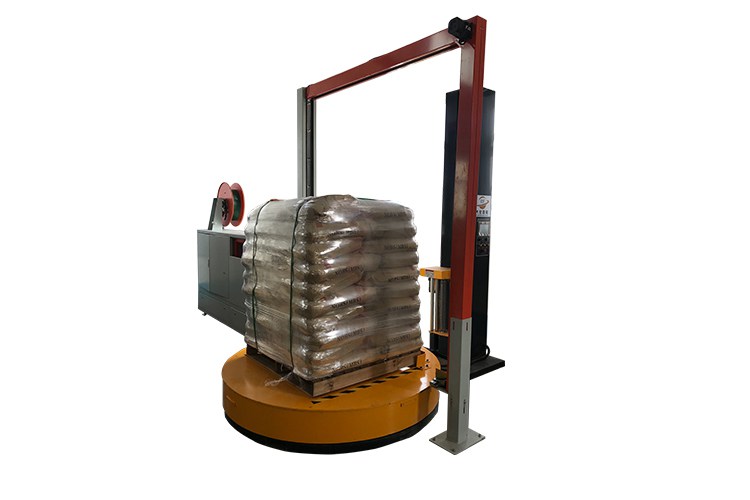
Sword-piercing baler and wrapping machine
view more -
Pallet packaging equipment
view more
-
 Shandong Dyehome Intelligent Equipment Co.,Ltd
Phone:0086-17362172587
Whatsapp:+8617362172587
Email:machinedyehome@gmail.com
Add:Building 62, 3000 Meili East Road, DmiPark, Wujiapu Street, Huaiyin District, Jinan City,Shandong Province
Jinan Jiasen Packaging Equipment Co., LtdPhone:0086-15665802370
Add:High-end Equipment Manufacturing Industrial Park, East Industrial New Town, Ancheng Town, Pingyin County, Jinan City, Shandong Province
Shandong Golden Pack Intelligent Equipment Co.,LtdPhone:0086-15662690213
Add:High-end Equipment Manufacturing Industrial Park, East Industrial New Town, Ancheng Town, Pingyin County, Jinan City, Shandong Province
-
YoursIndustry
-
OurSolutions
-
OurServices
-
OurInformation